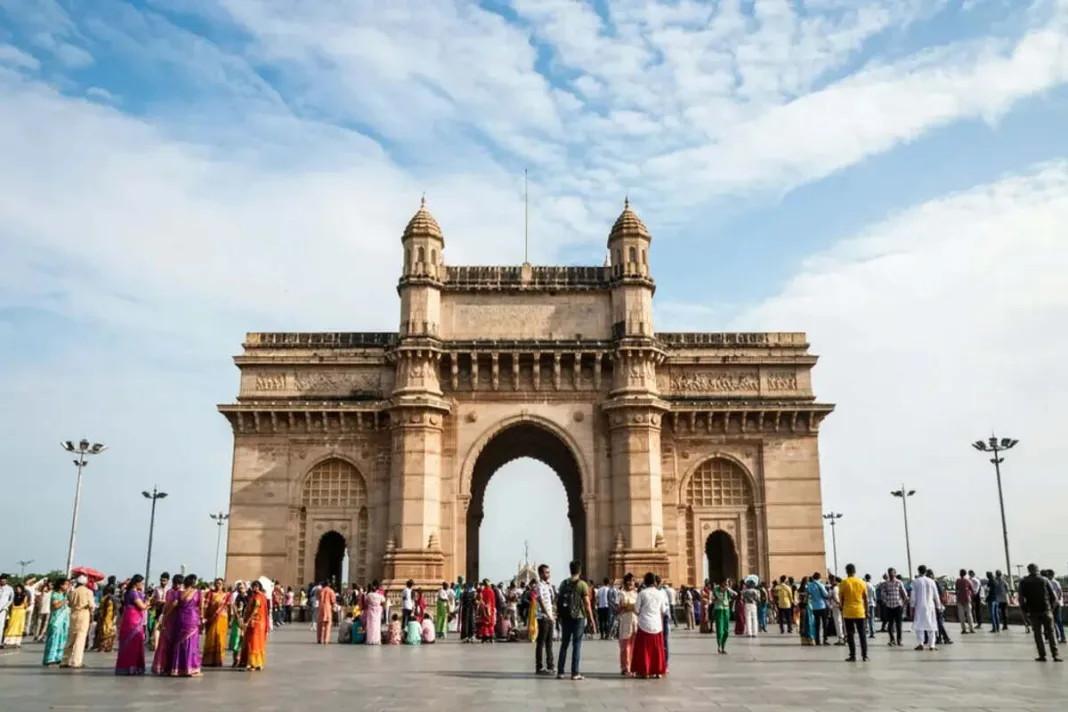

Image generated with Ai
The surge of entrepreneurship in India is disrupting the tourism landscape by opening up new destinations. The entrepreneurial wave sweeping through India has entered a new era in which innovations can no longer be confined to big tech cities alone. The growing Indian start-up ecosystem is beginning to spill over into Tier 2 and Tier 3 cities, presenting fresh avenues for tourism and hospitality. In fact, around 50% of the DPIIT-recognized startups are coming from Tier 2 and Tier 3 cities.
This transformation is creating a powerful connection between startups and tourism ecosystem growth. Entrepreneurs are developing technology-driven travel solutions, promoting unexplored destinations, improving visitor experiences and helping local communities participate in the tourism economy.
India’s startup story is therefore no longer only about software companies, fintech platforms or technology services. It is also becoming a story about how innovation is changing the way travellers discover, experience and connect with destinations across the country.
Startup Growth Expands India Tourism Ecosystem Through Digital Innovation
India has developed one of the world’s largest startup ecosystems, supported by digital transformation, increasing internet access, government initiatives and a growing culture of entrepreneurship. The expansion of startups into smaller regions is helping create new economic opportunities beyond traditional metropolitan centres.
For tourism, this shift is significant because technology is becoming a bridge between travellers and destinations.
Earlier, tourism demand was heavily concentrated around well-known destinations such as Delhi, Mumbai, Goa, Rajasthan and Kerala. However, startup-led innovation is now helping lesser-known destinations gain visibility.
Travel-focused startups are introducing solutions such as:
- Digital travel discovery platforms
- AI-powered itinerary planning
- Local experience marketplaces
- Homestay booking solutions
- Regional tourism applications
- Smart destination services
These platforms are allowing travellers to discover heritage villages, cultural locations, adventure destinations and rural experiences that previously had limited global exposure.
Tier 2 And Tier 3 Regions Become New Tourism Innovation Centres
The rise of startups in smaller regions is strengthening local tourism ecosystems by creating new business opportunities. Locations that were previously viewed mainly as residential or administrative centres are increasingly becoming innovation and travel hubs.
Regions such as Jaipur, Indore, Kochi, Bhubaneswar, Coimbatore, Lucknow and Guwahati are witnessing growing entrepreneurial activity across different sectors. Smaller locations are also gaining attention as technology companies, incubators and digital businesses expand their presence outside major metropolitan areas.
This growth creates a positive cycle for tourism.
More startups bring:
- Business travellers
- Investors
- Industry events
- Conferences
- Skilled professionals
As demand increases, it supports hotels, restaurants, transport services, attractions and local businesses.
The expansion of technology and entrepreneurship is therefore indirectly strengthening tourism infrastructure in emerging regions.
Travel Startups Help Discover Hidden India
One of the biggest contributions of startups to tourism is destination discovery.
India has thousands of cultural, natural and historical attractions that remain outside traditional tourism circuits. Startup platforms are helping connect these destinations with domestic and international travellers.
Technology is allowing visitors to explore:
- Local food experiences
- Traditional crafts
- Village tourism
- Wildlife destinations
- Spiritual journeys
- Adventure activities
- Community-based tourism
A small homestay owner in a remote region can now reach travellers through digital platforms. A local guide can promote regional experiences online. An artisan can connect with visitors searching for authentic cultural interactions.
This digital connection is transforming tourism from a mass sightseeing model into a more personalised experience economy.
Digital Platforms Create Opportunities For Local Tourism Businesses
The startup ecosystem is also empowering small tourism businesses that previously struggled to compete with large travel companies.
Digital tools are helping:
- Homestay operators manage bookings
- Local guides find customers
- Restaurants promote regional cuisine
- Transport providers reach travellers
- Tour operators sell specialised packages
Affordable internet access, online payments and social media marketing have reduced barriers for local entrepreneurs.
This means tourism income can spread more widely among communities instead of remaining concentrated around established tourism centres.
Artificial Intelligence And Technology Reshape Travel Experiences
The growth of artificial intelligence and digital innovation is creating new possibilities for tourism planning.
Travel startups are increasingly using technology to offer:
- Personalised holiday recommendations
- Automated travel assistants
- Real-time destination information
- Language support tools
- Smart itinerary creation
For international travellers, these solutions can simplify travel planning across a country as diverse as India.
Visitors can receive recommendations based on interests such as culture, adventure, nature, food or wellness. This encourages travellers to explore beyond famous attractions and experience different regions.
Startup Growth Boosts Rural And Sustainable Tourism
A major impact of India’s startup expansion is the growth of sustainable and community-based tourism.
Many emerging businesses are focusing on responsible travel models that support local communities while protecting cultural and natural resources.
These include:
- Eco-friendly stays
- Farm tourism
- Nature experiences
- Rural retreats
- Indigenous cultural programmes
Such initiatives create additional income sources for local communities and encourage preservation of traditions.
For regions with natural landscapes, forests, mountains and unique cultural identities, startups can provide the digital visibility needed to attract responsible travellers.
Northeast India And Emerging Regions Gain Tourism Opportunities
The startup expansion is also opening new possibilities for regions that have traditionally remained outside India’s main tourism narrative.
Areas such as Northeast India have significant potential in:
- Adventure tourism
- Wildlife tourism
- Cultural tourism
- Nature-based travel
- Community experiences
Technology platforms can help these destinations overcome visibility challenges by connecting local experiences with wider audiences.
For entrepreneurs in these regions, tourism startups provide a pathway to build businesses around local strengths while contributing to regional development.
Startup Ecosystem Strengthens Business Tourism Across India
The growth of startups is also increasing business travel within India.
As emerging regions develop innovation ecosystems, they attract:
- Startup summits
- Investor meetings
- Technology events
- Corporate programmes
- Entrepreneurship conferences
This creates demand for business hotels, meeting spaces, restaurants and transportation services.
The relationship between startups and tourism is therefore not limited to leisure travel. It is also supporting the growth of India’s business tourism sector.
India’s Tourism Ecosystem Enters A Technology-Driven Future
India’s startup revolution is reshaping the country’s tourism ecosystem by connecting technology, entrepreneurship and travel experiences.
The rise of startups in Tier 2 and Tier 3 regions is helping transform smaller destinations into emerging tourism opportunities. It is enabling local businesses, creating employment, improving travel accessibility and introducing travellers to a wider range of Indian experiences.
The startup wave in India is revolutionizing the tourism industry through the use of technology to discover previously unknown places as well as increasing tourism growth in regions.
Through technological innovations that will keep expanding into new territories, India’s future tourism scene will be dictated by entrepreneurs using technology to promote the country’s culture and landscapes.