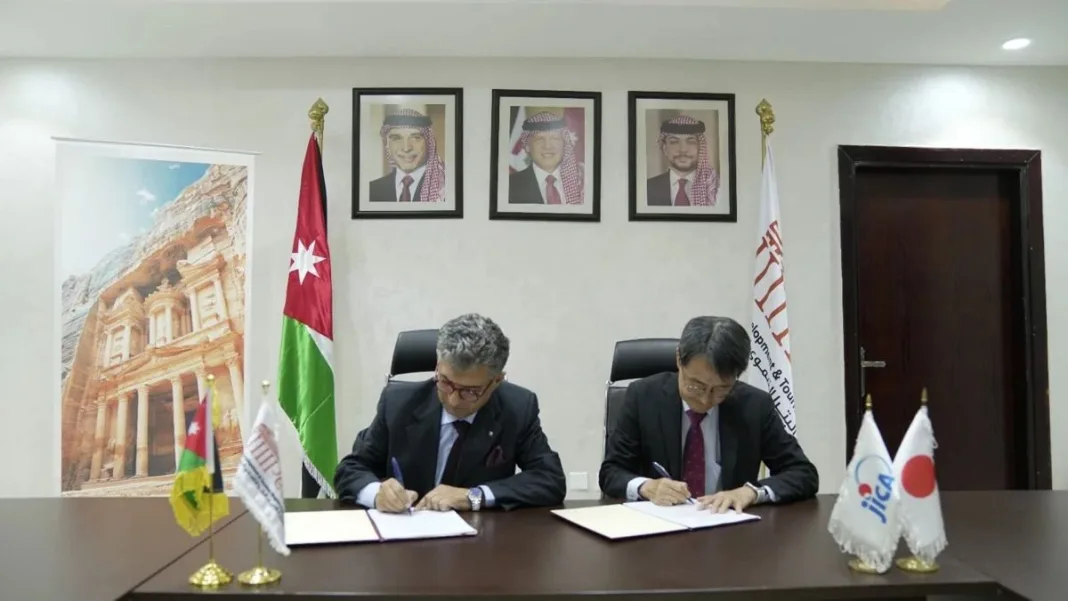

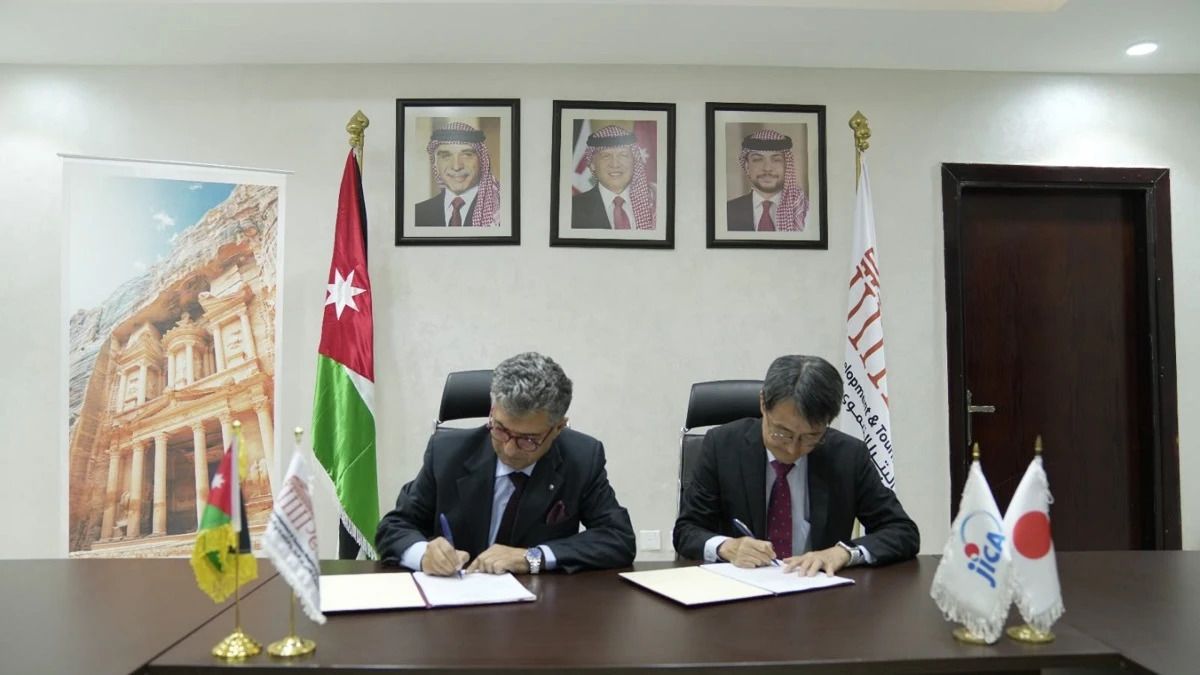
But the face of Jordan is changing for the traveller who wants to experience the culture firsthand. A landmark project to transform the experience of visitors to one of the greatest wonders of the ancient world has been launched. The Petra Development and Tourism Region Authority (PDTRA) and the Japan International Cooperation Agency (JICA) have signed an official agreement to implement a comprehensive three-year project to expand community-based tourism and increase local participation in the region’s tourism economy. For those planning to visit Jordan, this initiative promises a more connected and richer travel experience that goes far beyond the iconic Treasury monument. It’s important to understand these changes now for travellers who want to support sustainable local economies, avoid overcrowded hot spots and find hidden heritage gems that have long remained off the traditional tourist path.
The Partnership and Project Scope: Building a Resilient Tourism Ecosystem
The two sides recently signed a formal record of discussions for the Sustainable Tourism Community Development Project, according to official statements released by the PDTRA. Running for a dedicated duration of 36 months, this collaboration is designed to support the development of unique tourism businesses, authentic products, and immersive experiences. These offerings are carefully built around the rich cultural, heritage, and natural assets of the communities surrounding Petra. By bridging the gap between iconic historical sites and everyday local life, the initiative aims to connect these outlying areas more closely with the destination’s wider tourism offering.
Government data and official development reports indicate that long-term sustainability relies heavily on decentralized visitor distribution. Travelers are increasingly encouraged to look beyond single-day sightseeing trips and engage deeply with the surrounding landscape. Comprehensive regional planning ensures that tourism revenue remains within the destination, fostering a healthier ecosystem for both visitors and residents alike.
Empowering Villages Across the Region: Expanding the Traveller’s Itinerary
A defining feature of this collaborative endeavour is its expansive geographic reach. The project will directly target six distinct areas: Wadi Musa, Taybeh, Umm Sayhoun, Rajif, Dlagha, and Beidha. Each of these communities possesses a distinct cultural identity, traditional craftsmanship, and breathtaking natural scenery that can dramatically enrich the visitor experience.
Advertisement
Advertisement
For decades, the bulk of tourist foot traffic has been concentrated primarily within the central archaeological park, leading to seasonal congestion. Under the new PDTRA and JICA framework, local entrepreneurs and community members will be equipped to showcase their unique heritage. From traditional culinary experiences in Beidha and Bedouin storytelling in Umm Sayhoun to artisan workshops in Wadi Musa and eco-lodging initiatives near Dlagha, visitors will find a diverse tapestry of experiences waiting to be explored. This geographic expansion guarantees that travelers can curate multifaceted itineraries that celebrate the true scope of the region while alleviating pressure on fragile monuments.
Capacity Building, Marketing, and Market Access: Elevating Service Standards
Sustaining a thriving tourism economy requires more than just scenic beauty; it demands robust infrastructure and professional acumen. Consequently, the 36-month project will actively help local entrepreneurs and communities strengthen their capabilities across several vital areas, including product and service development, strategic marketing, effective promotion, and enhanced market access.
Through targeted training programmes and technical assistance provided by international development experts alongside regional authorities, local business owners will learn to refine their hospitality and tour-guiding offerings to meet international standards. The project specifically seeks to establish effective, streamlined mechanisms for promoting tourism services and locally developed products. By making greater use of the region’s tangible and intangible resources—such as indigenous agricultural traditions, handicraft production, and local folklore—the initiative ensures that economic benefits are distributed equitably. The overarching goal remains clear: generating direct, sustainable economic benefits from tourism that uplift families and preserve heritage for generations to come.
How This Initiative Revolutionizes Global Tourism in Petra
The collaboration between PDTRA and JICA introduces several transformative ways this project will elevate the tourism sector for both international visitors and the local economy:
- Diversifying Visitor Experiences: Instead of a brief, single-day rush to view the ancient ruins, tourists can now participate in multi-day itineraries that include agritourism, craft workshops, and guided nature hikes through the rugged hills of Beidha and Taybeh.
- Extending Length of Stay: By offering compelling community-based attractions outside the main archaeological site, visitors are naturally encouraged to extend their stay in the region, providing a major boost to local boutique hotels, guesthouses, and family-run restaurants.
- Ensuring Authentic Cultural Exchange: Direct participation by local residents guarantees that travelers receive genuine, unscripted insights into local traditions, fostering cross-cultural understanding and memorable connections.
- Promoting Sustainable and Equitable Growth: Channelling tourism revenue directly into surrounding villages ensures that the financial rewards of global travel are shared broadly among grassroots communities, protecting the social fabric of the destination.
- Mitigating Site Congestion: Spreading tourist traffic across Wadi Musa, Umm Sayhoun, Rajif, Dlagha, and Beidha protects the sensitive archaeological remains of Petra from over-tourism while giving visitors a more peaceful, personalized exploration.
Planning Your Immersive Jordan Journey
The Petra Development and Tourism Region Authority and Japan International Cooperation Agency partnership is an important step towards sustainable travel in the Middle East. Tourism which consumes culture is being substituted by a model that preserves culture in the region, with emphasis on community-driven initiatives throughout Wadi Musa, Taybeh, Umm Sayhoun, Rajif, Dlagha and Beidha. Future visitors can expect deeper connections, warmer hospitality, and the deep satisfaction of knowing their travels are directly supporting the communities that call the ancient mountains of Petra home.