
By Pratik Parija and Anup Roy
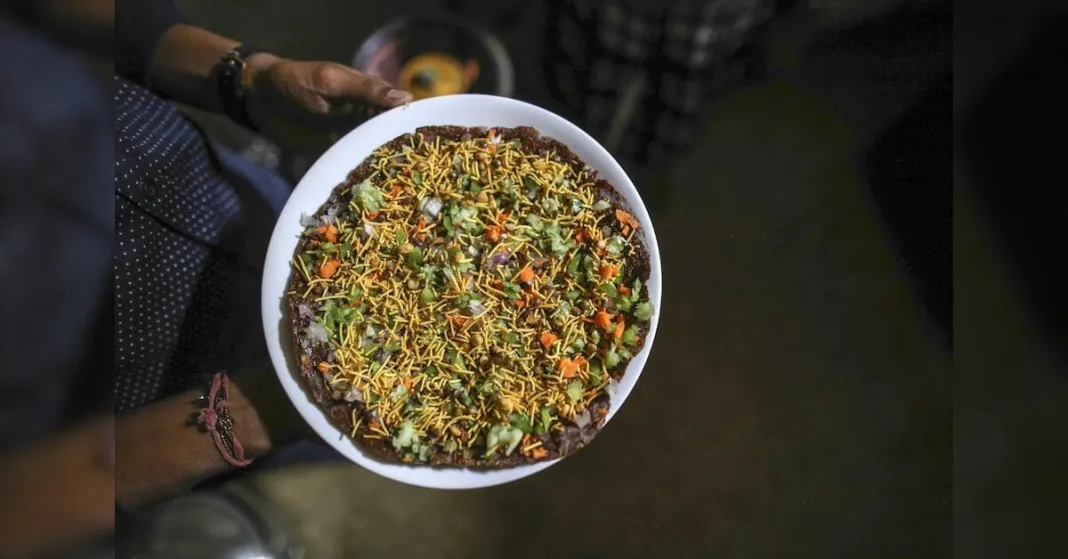
For a snapshot of India’s rising food costs, look no further than the traditional thali, the ubiquitous set meal that puts many of the country’s everyday staples on a single plate.
Those ingredients are taking a bigger bite out of household budgets. Food accounts for almost half of monthly spending for some rural families and nearly 40 per cent in cities. Onions, a foundation of countless savory dishes, have risen almost 50 per cent from a year earlier. Vegetable oil used for frying street snacks is also rising, and the ginger vital for flavor has surged more than 70 per cent, the latest consumer price index for August shows.
Several factors are at play: The annual monsoon has been weaker than usual, leaving farms thirsty. A push to increase biofuel production for energy security diverting grain. Plus, wars in both Iran and Ukraine are boosting crop and fuel prices globally.
That’s made food — which comprises more than a third of the retail inflation basket — emerge as a key driver of the country’s inflation, with the broader rate in August nearing the top of the central bank’s target range. It could also offer a signal of what’s to come elsewhere, as many nations cope with the fallout of conflicts and extreme weather, exacerbated this year by El Niño.
“In a connected world, supply is not an issue, but there will be issues with prices,” said Madan Sabnavis, chief economist at Bank of Baroda.
The monsoon rains, which end this month, are one of the obvious signs of the issue. Precipitation since they started in June is running 15 per cent below normal, and the weather office has forecast rains to remain subpar in September. The shortfall is linked to the El Niño weather phenomenon, which is known for spurring drier years in the country.
That could further dim the harvest outlook for crops from rice to soybeans, corn and sugar cane. Rice and corn plantings are running more than 3 per cent behind last season, with little time left, and domestic sugar prices jolted higher in August on worries of a shortfall. That forced the government to allow a tranche of duty-free sugar imports, an unusual step in a country that ranks as the world’s second-largest producer.
The monsoon rains, which end this month, are one of the obvious signs of the issue. Precipitation since they started in June is running 15 per cent below normal, and the weather office has forecast rains to remain subpar in September. The shortfall is linked to the El Niño weather phenomenon, which is known for spurring drier years in the country.
That could further dim the harvest outlook for crops from rice to soybeans, corn and sugar cane. Rice and corn plantings are running more than 3 per cent behind last season, with little time left, and domestic sugar prices jolted higher in August on worries of a shortfall. That forced the government to allow a tranche of duty-free sugar imports, an unusual step in a country that ranks as the world’s second-largest producer.
During years of deficient monsoons, every percentage point shortfall in rainfall versus normal equates to a roughly 25 basis point increase in food inflation, according to Yuvika Singhal, an economist at QuantEco.
Biofuel policy is playing a role, as well. The country pushed forward a 20 per cent ethanol-blending target originally slated for 2030 to 2025, driving a nationwide expansion across thousands of fuel stations. The policy has increased demand for corn and rice as feedstocks alongside sugar cane.
That could further tighten domestic supplies for food and feed, with farmers likely to sell crops to ethanol makers first if it fetches them a higher price, Sabnavis said.
“I have to protect my margin, but the price rise forces customers to cut consumption and there will be a slump in business,” Qureshi said. “If the feed prices do not come down, however, we will not be able to lower chicken prices.”
Key dairy items like paneer — a soft cheese — and milk are more expensive, too, Central Statistics Office data show.
Preparing food has also grown costlier. India faced shortages of liquefied petroleum gas relied on for cooking earlier this year due to conflict in the West Asia. Shivam Fauzdar, who runs a small restaurant in the New Delhi suburb of Noida, said he raised prices after the initial surge in LPG, but with ingredient costs now climbing, he’s struggling to raise menu prices further. The business competes with half a dozen nearby food carts that offer flatbreads with a serving of vegetables or lentils at lower prices.
“We can’t raise our rates because customers will stop coming,” he said.
The situation will be particularly in focus as India’s festive season gets underway around this time, culminating in Diwali — the Hindu festival of light — in November. The period is known for an uptick in food consumption, with sugar and cooking oil demand peaking as people consume more traditional sweets, fried food and other treats.
Food inflation has accelerated each month this year, and the rise will have ramifications for interest rates as the country’s central bank targets headline consumer price inflation, according to Sabnavis. Broader inflation accelerated in August to the highest since December 2024, exceeding the Reserve Bank of India’s 4 per cent medium-term target for a third straight month.
The central bank, which has flagged El Niño as a key risk to food prices, has kept rates unchanged since the start of the year. Economists increasingly see a greater chance of an interest-rate hike as early as October.
Inflation “is not so benign” anymore, RBI Governor Sanjay Malhotra said in a recent interview with CNBC TV18.
“We also need to be watchful as the risks of higher food, fuel and other input prices translating into a broad-based increase in inflation and de-anchoring of expectations persist,” he said in the minutes of the RBI’s August meeting. “Any evidence of these risks materializing may need policy tightening.”