
Published on August 5, 2026 |

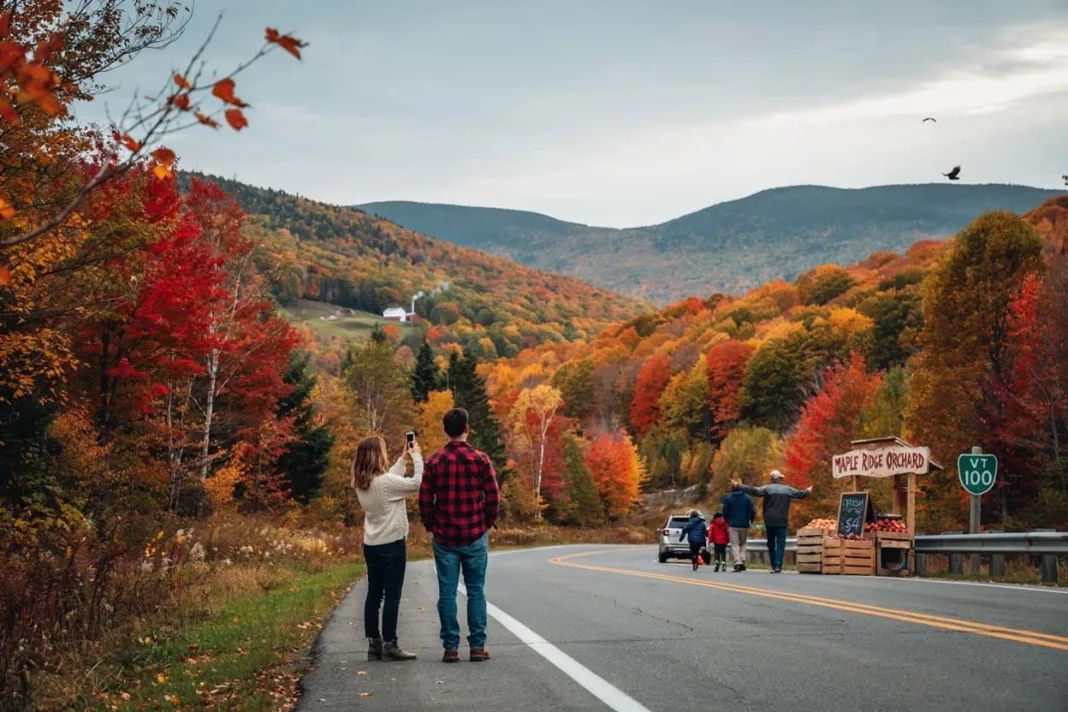
Image generated with Ai
Vermont tourism brand development has entered a new era as the US state introduces its first dedicated statewide tourism identity designed to strengthen visitor attraction and promote year-round travel. Known for its colourful autumn forests, mountain landscapes, ski resorts, local farms and charming villages, Vermont is creating a stronger global message to compete in an increasingly competitive tourism market. The new strategy aims to help travellers discover more of the state beyond traditional seasonal visits while supporting sustainable growth. As visitors search for authentic experiences, Vermont is positioning itself as a destination built around nature, culture and meaningful journeys.
Vermont, one of the most distinctive destinations in New England, is entering a new chapter in tourism promotion with the introduction of its first dedicated statewide tourism brand. The initiative aims to create a stronger identity for the state, attract more visitors throughout the year and highlight experiences beyond its famous autumn foliage and winter attractions.
The new Vermont tourism brand reflects a broader shift in destination marketing, where states and regions are moving beyond individual attractions and creating unified travel identities. The strategy is designed to communicate Vermont’s complete visitor experience, including outdoor adventures, local communities, agricultural traditions, cultural attractions and seasonal activities.
For travellers, the development could make it easier to discover Vermont’s lesser-known destinations while encouraging longer stays and more diverse travel experiences.
Vermont has long been recognised as one of America’s most scenic destinations, but tourism officials identified the need for a stronger and more coordinated identity in a crowded travel marketplace.
The state has traditionally attracted visitors through its natural beauty, including:
- Green Mountain landscapes.
- Fall foliage.
- Ski resorts.
- Rural villages.
- Farm experiences.
However, tourism competition has increased as destinations across the United States invest heavily in branding, digital marketing and visitor engagement.
The new Vermont tourism brand is designed to create a clearer message for domestic and international travellers by connecting the state’s different experiences under one identity.
Rather than promoting separate attractions individually, the strategy focuses on the overall Vermont journey — a combination of nature, community, food, adventure and relaxation.
The new branding strategy could influence how travellers discover and plan Vermont holidays.
A stronger statewide identity may encourage visitors to explore beyond the most recognised attractions and discover smaller communities across the state.
Travellers may become more aware of:
- Rural experiences.
- Local businesses.
- Outdoor activities.
- Cultural events.
- Year-round destinations.
The initiative also supports Vermont’s goal of reducing seasonal concentration.
While autumn remains one of the state’s busiest travel periods because of its famous foliage, officials want more visitors throughout the year.
Winter skiing, spring landscapes and summer outdoor activities provide opportunities to create continuous tourism demand.
Vermont’s tourism development focuses heavily on sustainability because the state’s natural environment is its greatest attraction.
The destination’s forests, mountains, lakes and rural communities are central to its travel identity.
The state’s tourism planning approach focuses on balancing visitor growth with:
- Environmental protection.
- Community wellbeing.
- Infrastructure needs.
- Responsible travel practices.
The Vermont Department of Tourism and Marketing has worked on long-term tourism planning designed to strengthen the visitor economy while protecting the qualities that make the state unique.
This approach reflects a global tourism trend where travellers increasingly choose destinations that demonstrate environmental responsibility.
The new tourism identity highlights the wide range of experiences available across the state.
Autumn Foliage Travel
Vermont remains one of America’s most famous fall destinations.
Travellers visit for:
- Colourful forests.
- Scenic drives.
- Mountain viewpoints.
- Small-town experiences.
The autumn season attracts visitors from across the US and internationally.
Outdoor Adventure
The Green Mountains provide year-round opportunities for outdoor travel.
Visitors can enjoy:
- Hiking.
- Cycling.
- Skiing.
- Snowboarding.
- Nature exploration.
Vermont’s outdoor appeal attracts adventure travellers seeking authentic experiences away from crowded destinations.
Culinary and Agricultural Tourism
The state’s food culture is another important tourism attraction.
Visitors explore:
- Maple farms.
- Local cheese producers.
- Farmers markets.
- Farm-to-table restaurants.
- Craft beverage producers.
These experiences allow travellers to connect directly with local communities.
Small-Town Experiences
Vermont’s villages are a major part of its identity.
Travellers are attracted to:
- Historic buildings.
- Independent shops.
- Local festivals.
- Community events.
The new branding strategy aims to showcase these experiences more effectively.
Tourism plays an important role in Vermont’s economy, supporting businesses across urban and rural communities.
A stronger tourism brand could benefit:
- Hotels.
- Restaurants.
- Outdoor companies.
- Local retailers.
- Cultural attractions.
Smaller communities may gain greater visibility as travellers discover destinations beyond the most famous locations.
Encouraging visitors to explore different regions can also help distribute tourism spending more evenly.
This approach supports local economies while reducing pressure on heavily visited areas.
Although Vermont has strong tourism appeal, the state faces several challenges.
These include:
- Seasonal visitor concentration.
- Accommodation availability.
- Workforce shortages.
- Infrastructure pressure.
The challenge is increasing tourism while maintaining the character that attracts visitors.
Many destinations worldwide are facing similar issues as travel demand increases.
Vermont’s strategy focuses on sustainable growth rather than simply increasing visitor numbers.
Travellers planning a Vermont holiday should consider the season they want to experience.
Autumn provides spectacular scenery but is also one of the busiest periods.
Winter attracts visitors for skiing and snow activities.
Spring and summer offer:
- Hiking.
- Cycling.
- Outdoor exploration.
- Cultural experiences.
Visitors should plan accommodation early during popular seasons, especially in smaller towns.
A rental car is often useful because many attractions are spread across rural areas.
The Vermont tourism brand launch reflects a wider transformation in destination marketing across the United States.
States are increasingly creating stronger identities to compete for traveller attention.
Modern visitors are searching for:
- Authentic experiences.
- Sustainable destinations.
- Local connections.
- Unique stories.
Vermont’s approach aligns with this trend by focusing on emotional connections rather than only promoting individual attractions.
The launch of Vermont’s first dedicated tourism brand represents a significant milestone for the state’s travel industry.
The strategy aims to transform Vermont from a seasonal destination into a year-round experience.
For travellers, this could mean greater awareness of hidden communities, outdoor adventures and cultural experiences across the state.
Vermont’s greatest strength has always been its authenticity. Its mountains, villages, farms and traditions create a travel experience that feels different from large commercial destinations.
Conclusion
The Vermont tourism brand marks a powerful new step in the state’s effort to attract travellers while protecting its unique identity. By creating a unified destination message, Vermont aims to showcase its natural beauty, cultural experiences and year-round attractions to a wider global audience. The strategy reflects changing travel preferences as visitors increasingly seek meaningful, sustainable and authentic journeys. For travellers, Vermont offers more than seasonal scenery; it provides opportunities to connect with communities, explore landscapes and experience local traditions. The future of Vermont tourism will depend on balancing growth with preservation while continuing to inspire visitors from around the world.
Advertisement
Advertisement