
Published on August 4, 2026 |

Image generated with Ai
The Canadian government has bolstered the future of one of the country’s most famous cultural festivals by providing financial aid of $61,000 for the Toronto Caribbean Carnival, which draws visitors while highlighting Caribbean culture and promoting tourism initiatives at Ontario’s largest city. This government investment means that 9,630 artists, craftspeople and performers will support music, dance, costume making and storytelling presentations at one of the most colorful festivals in Canada.
The funding will arrive as Canada’s festival tourism sector continues to grow. Cultural celebrations are becoming major tourist attractions across the country, encouraging visitors to travel to destinations beyond sightseeing. Examples include: the Caribbean Carnival in Toronto, jazz celebrations in Montréal, summer festivals in Québec City and Celtic celebrations in Cape Breton.
The Toronto Caribbean Carnival is much more than a parade. Rather, it stands for decades of migration, cultural preservation, and community creativity. The 2026 version of the carnival is the 59th installment.
Canada’s Federal Investment Strengthens Toronto’s Cultural Tourism Appeal
The Government of Canada announced the C$61,000 investment through Canadian Heritage’s Building Communities Through Arts and Heritage (BCAH) program, providing support to the Festival Management Committee, the organisation responsible for overseeing the Toronto Caribbean Carnival. The funding is designed to create opportunities for local artists and cultural contributors to share their work with audiences.
Advertisement
Advertisement
The investment supports thousands of participants involved in different areas of Carnival production. These include steelpan musicians, calypso performers, masquerade costume designers, dancers, storytellers and cultural educators. Together, these creators transform Toronto into a global cultural destination where Caribbean traditions meet Canada’s multicultural identity.
For travellers, this type of government-backed cultural investment highlights the growing role of festivals in destination marketing. Modern tourists increasingly seek authentic experiences where they can connect with local communities, understand cultural traditions and participate in events that represent the history of a place.
Toronto has become one of North America’s leading multicultural destinations, and major festivals play an important role in attracting visitors during peak travel periods. The city reported more than 28.2 million visitors in 2025, generating C$9.1 billion in visitor spending and an estimated C$13.5 billion in total economic impact.
Within this tourism environment, events such as the Toronto Caribbean Carnival help strengthen demand for hotels, restaurants, transportation services, retail businesses and local attractions.
Advertisement
Advertisement
From Caribana 1967 To A Global Caribbean Celebration In Toronto
The story of the Toronto Caribbean Carnival began in 1967 when members of Toronto’s Caribbean community created Caribana as a cultural contribution to Canada’s Centennial celebrations. What started as a community gathering quickly became one of the city’s most recognisable annual events.
According to City of Toronto archival information, the first celebration became a major success, with thousands of people attending early events. The festival continued every year, evolving from a Centennial celebration into an internationally recognised showcase of Caribbean culture.
Over nearly six decades, the event has expanded beyond a single parade. The modern Toronto Caribbean Carnival includes junior events, costume showcases, steelpan performances, calypso showcases and cultural programmes that celebrate different generations of Caribbean communities.
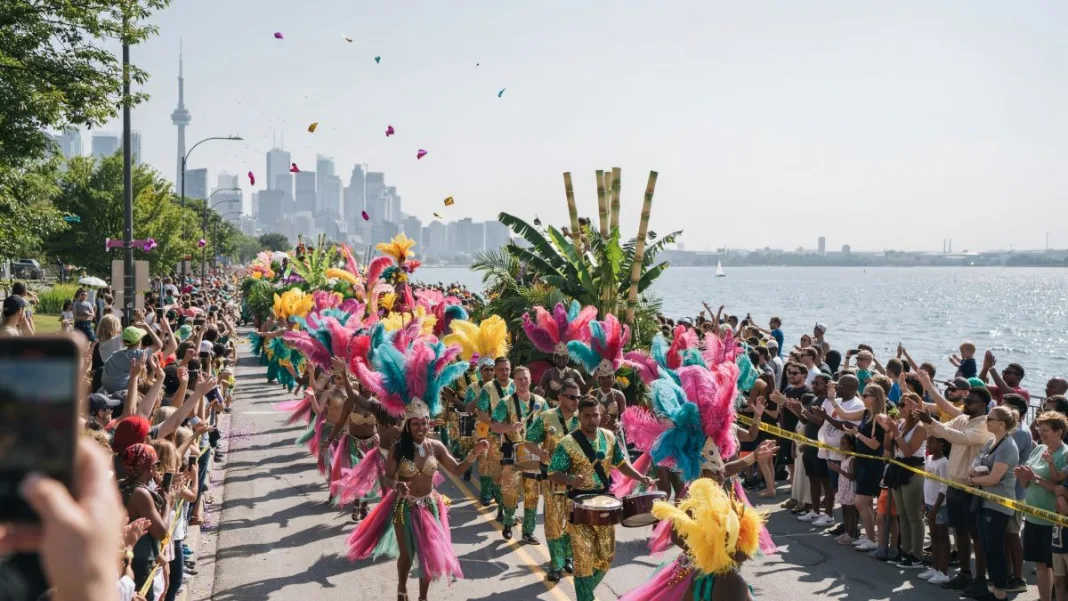
The Grand Parade remains the centrepiece, bringing together performers, masqueraders, musicians and visitors along Toronto’s waterfront area. The combination of colourful costumes, Caribbean music and community participation creates a unique tourism experience that attracts both residents and international visitors.
The festival also reflects the importance of Caribbean communities within Canada. Statistics Canada data shows that 774,510 people identified with Caribbean ethnic origins in the 2021 Census. Jamaican heritage represented the largest reported Caribbean origin group, with strong communities in Toronto and Ontario.
This demographic connection explains why the Carnival remains deeply rooted in Toronto’s social fabric. It is not only an entertainment event but also a living expression of migration, heritage and cultural continuity.
Why Festival Tourism Has Become Important For Canada’s Travel Economy
Canada’s festival landscape demonstrates how cultural events can become tourism assets. Governments and destinations increasingly recognise that festivals encourage longer stays, increase visitor spending and create opportunities for local businesses.
Unlike traditional attractions that visitors experience briefly, festivals encourage travellers to plan entire trips around specific dates. A visitor attending the Toronto Caribbean Carnival may also explore attractions such as the CN Tower, waterfront areas, museums, shopping districts and neighbourhood cultural experiences.
Festival tourism also supports smaller businesses. Local food vendors, artisans, performers, hotels and transportation providers benefit when thousands of visitors arrive for cultural celebrations.
Toronto’s Festival Strategy highlights both the opportunities and challenges facing event organisers. The city’s research found that festivals create strong social and economic value, but organisers are also facing increasing costs related to security, production, staffing, insurance and permits.
This challenge is visible across Canada. Major festivals require significant investment to maintain quality, safety and visitor experiences. Government support therefore plays an important role in helping cultural events remain accessible and sustainable.
Toronto Caribbean Carnival Evolves Into A Month-Long Cultural Tourism Experience
The Toronto Caribbean Carnival has transformed from a one-day community celebration into a major month-long cultural tourism event that showcases the depth, creativity and diversity of Caribbean heritage in Canada. While the Grand Parade remains the festival’s biggest attraction, the modern Carnival experience extends far beyond the streets of Toronto. It includes music showcases, youth programmes, costume competitions, cultural presentations and community events that allow visitors to experience Caribbean traditions throughout the summer.
At the heart of the festival is the tradition of masquerade, commonly known as “playing mas”. The colourful costumes seen during the Grand Parade represent months of preparation by designers, artists and community groups. Behind every feathered costume, intricate bead design and elaborate creation is a network of skilled artisans working on sewing, wirework, creative design and performance preparation. This craftsmanship has become one of the defining elements that separates Toronto Caribbean Carnival from a typical entertainment event.
The festival also preserves some of the Caribbean’s most important musical traditions. Steelpan, an instrument that originated in Trinidad and Tobago, plays a central role through performances such as Toronto Panorama, where steel orchestras showcase the artistic possibilities of the instrument. Meanwhile, calypso music continues through events such as the Kaiso 365 showcases, maintaining a tradition known for storytelling, humour, social commentary and cultural expression.
A major strength of the Toronto Caribbean Carnival is its focus on passing traditions between generations. The festival’s junior programmes provide children and young performers with opportunities to participate in masquerade, music and cultural activities. These events ensure that Caribbean heritage is not only displayed for visitors but actively taught and preserved within younger communities.
For international travellers, the Carnival offers a unique way to discover Toronto’s multicultural identity. Visitors attending the event can combine the festival experience with the city’s waterfront attractions, museums, restaurants, shopping districts and neighbourhood experiences. The festival’s location near Exhibition Place and the Lake Shore Boulevard corridor places it within one of Toronto’s most recognisable urban landscapes, creating a connection between cultural celebration and city tourism.
The scale of the event demonstrates its importance beyond entertainment. The Government of Canada’s tourism assessment has previously highlighted the Carnival’s ability to attract more than 1.2 million attendees, including approximately 180,000 tourists, while contributing an estimated C$338 million annually to Ontario’s economy. These figures underline how a community-led cultural celebration has developed into a significant tourism asset for Toronto and the wider province.
As Toronto Caribbean Carnival approaches its 60th edition, the festival represents more than six decades of cultural resilience. It continues to connect Caribbean communities, attract visitors from around the world and strengthen Toronto’s reputation as one of Canada’s leading multicultural destinations.
Canada’s Major Festivals Continue To Drive Domestic And International Travel
The Toronto Caribbean Carnival is part of a much wider Canadian festival network that attracts millions of visitors every year. Across provinces and territories, festivals showcase different cultural identities while strengthening tourism economies.
Montréal Jazz Festival Builds International Music Tourism
The Festival International de Jazz de Montréal remains one of Canada’s most internationally recognised cultural events. In 2026, the festival received C$600,000 from the Government of Canada through the Canada Arts Presentation Fund. The event featured more than 350 performances and brought together thousands of artists from around the world.
For Montréal, the festival is a major tourism driver. Visitors travel specifically to experience live performances, outdoor concerts and the city’s famous Quartier des Spectacles entertainment district.
The festival demonstrates how music tourism can strengthen a destination’s global reputation while supporting hotels, restaurants and cultural venues.
Québec City Festival Creates A Summer Travel Magnet
The Festival d’été de Québec has become one of Québec City’s biggest summer attractions. Established in 1968, the festival continues to attract visitors with large-scale performances and events across the historic city.
The festival allows travellers to combine cultural experiences with Québec City’s historic architecture, heritage sites and culinary attractions. It demonstrates how events can encourage visitors to discover an entire destination rather than attending a single activity.
Calgary Stampede Celebrates Western Heritage Tourism
The Calgary Stampede remains one of Canada’s best-known heritage festivals, celebrating western culture through rodeo events, entertainment, agricultural activities and community programmes.
The event attracts visitors from across Canada and around the world, strengthening Calgary’s reputation as a destination for cultural and sporting experiences.
For international travellers, the Stampede offers a distinctive Canadian experience connected to Alberta’s history, landscapes and western traditions.
Edmonton Fringe Festival Expands Creative Tourism
The Edmonton International Fringe Theatre Festival represents another important part of Canada’s cultural tourism sector. The 2026 edition continues the festival’s reputation as one of North America’s major theatre events, bringing together performers and audiences in Edmonton.
Unlike traditional festivals focused on one cultural tradition, Fringe creates opportunities for independent artists and encourages visitors to explore different venues throughout the city.
Toronto International Film Festival Strengthens Global Cinema Tourism
The Toronto International Film Festival (TIFF) remains a major international attraction for filmmakers, industry professionals and cinema fans. The 2026 edition continues Toronto’s position as a global film destination, featuring Canadian and international productions.
TIFF brings significant international attention to Toronto and supports tourism through accommodation demand, dining, entertainment and business travel.
Celtic Colours Showcases Cape Breton’s Heritage
The Celtic Colours International Festival highlights Cape Breton Island’s musical traditions through concerts and community experiences. The 2026 edition celebrates three decades of connecting visitors with Gaelic culture, local communities and island landscapes.
For travellers seeking authentic cultural journeys, Celtic Colours demonstrates how rural destinations can use heritage festivals to attract visitors beyond major urban centres.
The Future Of Toronto Caribbean Carnival And Canada’s Festival Economy
Federal funding for the Toronto Caribbean Carnival signifies appreciation for the various artists and communities that make the festival happen. The funding provides benefits to cultural engagement initiatives, allowing a wide sense of participation by performers, musicians and educators and maintenance of Caribbean traditions over time.
However, long-term sustainability will play a key role in the success of upcoming events. Organisers of festivals in many regions of the country face increased costs of maintenance, while trying to keep their events accessible for the participants.
In the light of the above, the Toronto Caribbean Carnival serves as an example of the existing challenges, as this festival gained international recognition while remaining closely connected to its community.
With its continued emphasis on cultural tourism, Canada will rely on festivals to exhibit its variety and create a bigger tourist industry. The Toronto Caribbean Carnival could be regarded as an example of the ability of festivals to define a destination. In particular, since its first appearance back in 1967 it transformed from a local tradition to a worldwide phenomenon. Thus, for those intending to travel to Canada tomorrow, attending the festival is promising and interesting experience.
Advertisement
Advertisement