
Published on August 4, 2026 |

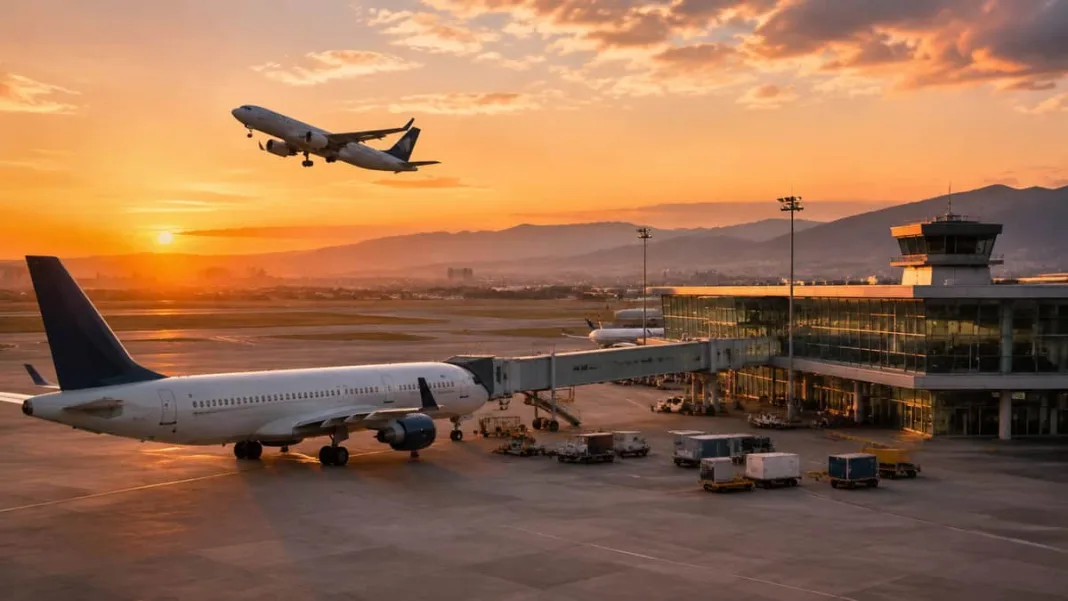
Image generated with Ai
Syrian Airlines: An optimistic tourism adventure begins in Syria, Amsterdam, Madinah and Moscow. Aviation access to Damascus has been fractured for years, but the carrier is rebuilding link! These could reconnect families, the pilgrims, the expatriates and the curious travellers. They could re-open Syrian tourism corridors, exposing it to wider global markets and increasing the potential for tourism.
Syrian Airlines Rebuilds Three Important Tourism Corridors
Syrian Airlines has announced new and resumed services linking Damascus with Moscow, Amsterdam and Madinah. The Moscow service will begin on 16 August 2026. The Madinah route will return on 11 August 2026. Amsterdam flights already started on 2 July 2026.
Each route supports a different tourism market. Amsterdam reconnects Syria with Western Europe. Madinah strengthens religious and family travel with Saudi Arabia. Moscow expands direct access between Syria and Russia. Together, these services give Damascus a broader international reach.
The expansion carries importance beyond ordinary airline scheduling. Better connectivity can influence tourism planning, hotel demand and destination awareness. It can also encourage travel companies to review Syria’s future potential.
Amsterdam Route Restores a Vital European Gateway
Syrian Airlines began direct Amsterdam services on 2 July 2026. The route marked its first European destination after years of suspended continental operations. The airline now operates three weekly flights on this corridor. It may increase frequencies as traffic develops.
The service followed roughly one year of technical, legal and diplomatic work. Syrian aviation officials called the route an important step towards restoring European operations. The link also connects Syrian expatriates with their homeland.
That human connection can support visiting-friends-and-relatives tourism. Returning families often spend across accommodation, restaurants, transport and local retail. Their journeys can also rebuild international awareness through personal experiences.
The Amsterdam route may improve access for European travellers interested in Syria. Direct connectivity removes an important barrier from the journey. It can reduce complicated transfers and simplify travel planning.
Advertisement
Advertisement
However, the airline has not published full fares or detailed aircraft information. Travellers should therefore confirm every operational detail before booking other services.
Madinah Service Supports Pilgrimage and Family Travel
Syrian Airlines will resume direct Damascus–Madinah flights on 11 August 2026. The service will operate every Tuesday. Travellers can book through the airline’s website and mobile application. The platforms also support online payments.
Madinah carries deep importance for Muslim travellers. The direct route could support pilgrimage journeys and religious tourism. It may also help families travel between Syria and Saudi Arabia.
Weekly operations suggest a careful restart rather than rapid expansion. The limited schedule could test demand before additional frequencies become commercially practical.
Reliable digital booking may make the journey easier for many passengers. Online payment can reduce dependence on traditional sales offices. Clearer access may encourage advance travel planning.
Religious visitors often require dependable schedules and smooth ground connections. Syrian Airlines must therefore maintain operational consistency. Travellers should also confirm entry requirements before departure.
Moscow Link Expands Syria’s International Tourism Reach
Syrian Airlines plans to launch scheduled Damascus–Moscow flights on 16 August 2026. The direct route will strengthen air links between Syria and Russia. It will also expand travel choices from Damascus International Airport.
The airline has not disclosed the Moscow airport, frequency or flight timings. It has also not published fares or aircraft information. These details will influence the route’s tourism value.
Convenient timings and stable operations will remain essential for visitor confidence. Tour operators also need dependable schedules before building complete travel packages.
The Moscow service could support leisure, business and family travel. It may encourage Russian travel companies to examine future Syria-bound programmes. Direct access usually makes destination packaging easier.
However, tourism growth will depend on consistent operations and clear passenger information. International travellers need certainty before selecting a recovering destination.
Damascus Airport Records Stronger Aviation Activity
Syrian aviation authorities recorded 20,315 aircraft transiting Syrian airspace during July 2026. This figure covers overflights, not airport passenger movements. Still, it shows growing use of Syria’s air corridor.
Greater airspace activity can support wider aviation recovery. It may also strengthen Syria’s role within regional flight networks. However, overflight growth does not directly measure tourism arrivals.
Damascus International Airport handled more than 148,000 passengers during May 2026. Twelve airlines operated to and from Syria during that period. These figures show that international access is gradually widening.
More airline participation could create stronger competition and greater route diversity. It could also give international travellers more convenient booking options.
Syria’s civil aviation authority has discussed technical cooperation with the International Civil Aviation Organization. The talks covered safety, security, air traffic management and institutional development.
Stronger standards will matter greatly for tourism confidence. Visitors need dependable aviation systems before choosing a recovering destination.
Four-Billion-Dollar Airport Plan Could Transform Tourism
Syria signed a major airport development agreement in August 2025. The investment exceeds US$4 billion. A Qatar-led international consortium will develop Damascus International Airport. The project will follow a five-phase Build-Operate-Transfer model.
The first phase targets capacity for six million passengers. The second phase will raise capacity to sixteen million. The completed airport could handle thirty-one million passengers annually.
Plans also include up to thirty-two gates and modern boarding bridges. The development includes upgraded air-navigation systems and improved passenger facilities.
Commercial areas, restaurants and cafés also form part of the plans. Better airport experiences can shape a visitor’s first impression. They can also increase tourism spending inside the terminal.
The project includes improvements along a main access road. The corridor could extend for about fifty kilometres.
Developers also expect more than 90,000 direct and indirect jobs. Tourism, transport and hospitality could benefit from that employment. However, the figure remains a development projection.
Fleet Financing Gives Syrian Airlines Room to Grow
The airport package includes US$250 million for aircraft financing. The funding could support up to ten Airbus A320 aircraft.
A larger fleet may help Syrian Airlines add routes and frequencies. It could also improve schedule resilience during technical disruptions.
The official announcement does not confirm completed aircraft purchases or deliveries. Therefore, future fleet growth remains a planned outcome.
Tourism stakeholders should avoid treating all ten aircraft as operational. Actual capacity will depend on orders, delivery schedules and aircraft deployment.
Sanctions Relief Opens New Commercial Possibilities
The United States issued General Licence 25 in May 2025. It authorised many transactions previously restricted under Syrian sanctions regulations. The measure supported new investment and financial services involving Syria.
The US Treasury ended the broad Syria sanctions programme in June 2025. However, targeted restrictions remain for designated people, organisations and former regime associates.
This wider commercial opening may support investment, payments, insurance and aviation services. Those systems matter for international tourism.
Airlines need reliable finance and maintenance arrangements. Travellers also need secure booking and payment channels. Tourism businesses require dependable international commercial relationships.
Trust and consistency is called for in the new chapter of tourism
Syria′s reopenings flow beyond passengers. They bring family gatherings, existential travels and revived amazement. There is an opportunity for confidence to be restored by reliable service with Syrian Airlines.
If you take Amsterdam, Madinah and Moscow into account, you have three outstanding international connections. The Damascus airport project may reinforce over time those bridges.
But safe tourism recovery needs trust, credibility & reliable operations. A little bit of success will ease the challenge of entering Syria. Every reliable flight can substitute uncertainty with cautious optimism.
The reality of unmet traveller experiences will dictate the tourism chapter for Syria. The opportunity now is to convert the bold announcements into secure, companion and unforgettable travels.
Advertisement
Advertisement