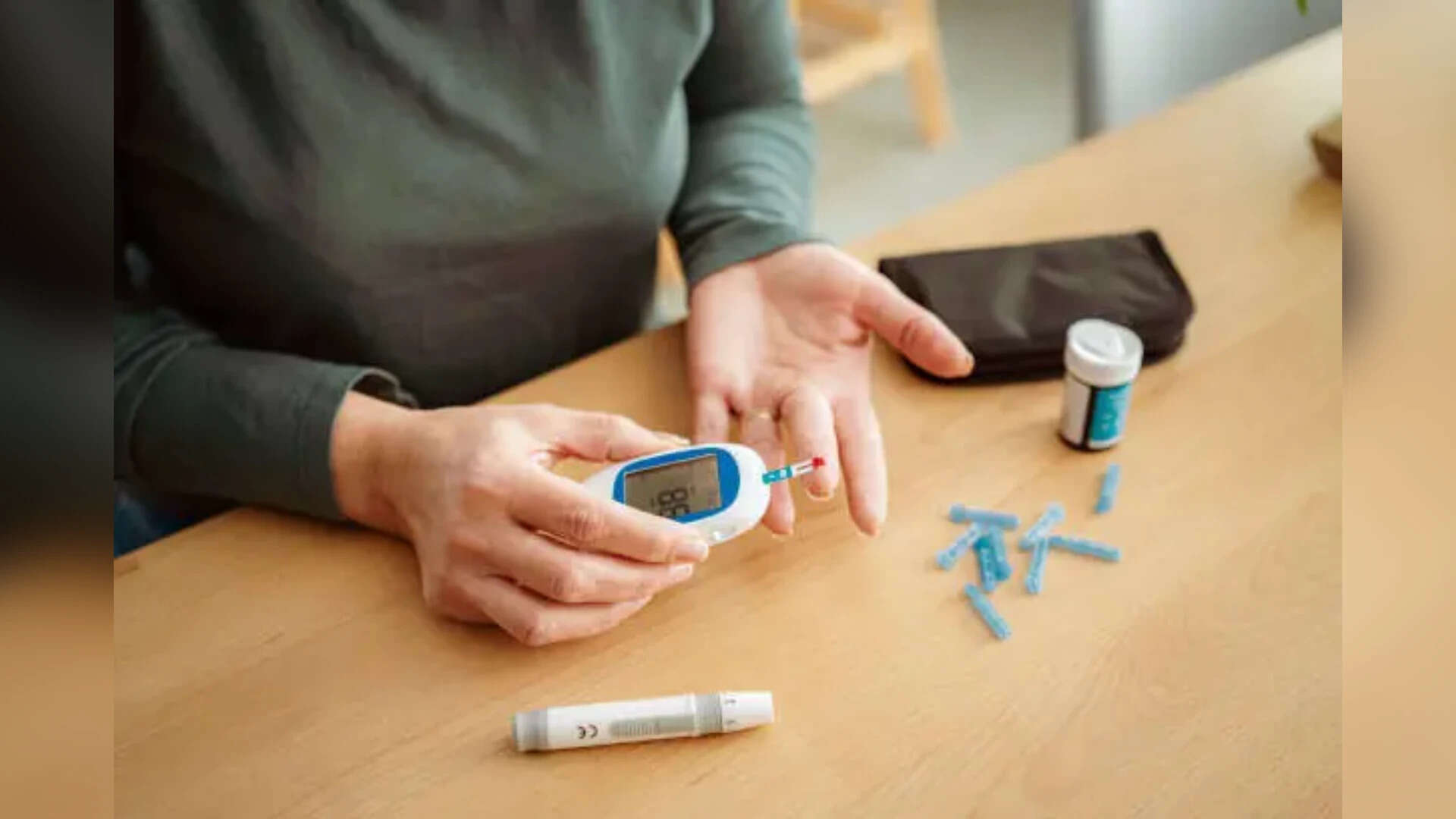
New Delhi: Two in three young adults in India are already at risk of non-communicable diseases (NCDs), while nearly half of the working population has prediabetes or diabetes and eight in ten are overweight, according to the latest Health of the Nation 2026 released by Apollo Hospitals on World Health Day.
Based on more than three million preventive health assessments conducted across the Apollo ecosystem in 2025, the sixth edition of the report indicates that health risks in India are appearing earlier, often without visible symptoms, and are increasingly being detected through proactive screening and advanced diagnostics.
The findings show that risk factors are already present among young and working populations. Nearly one in five individuals under the age of 30 were found to be prediabetic, though the condition was reversible in many cases when lifestyle interventions were adopted early. The report notes that 28 per cent of individuals under 30 who intervened early reversed to normal levels, compared with only seven per cent among those above 50.
Other indicators highlight the scale of hidden health risks. More than half of those assessed were obese and had abnormal cholesterol levels, while around 70 per cent were deficient in Vitamin D and nearly half had low Vitamin B12 levels. In addition, nearly two-thirds of people under 30 showed poor flexibility, strength, or balance, factors associated with higher cardiovascular risks and reduced long-term health outcomes.
Prathap C. Reddy, Founder Chairman, Apollo Hospitals, said, “The report reflects a shift in how healthcare must approach prevention.”
He noted that traditional health checks focused largely on routine tests and reactive care, but modern preventive healthcare is becoming more personalised and precise, incorporating insights from areas such as microbiome health and long-term risk assessment.
Data from the report also reveals significant health risks within the working population, where the average age of those assessed was 38. Among this group, eight in ten individuals were overweight, nearly half had prediabetes or diabetes, and one in four had high blood pressure, indicating a growing burden of metabolic disorders in the country’s productive age group.
Highlights gender-specific health concerns in the report, Preetha Reddy, Executive Vice Chairperson, Apollo Hospitals, said, “Women continue to face health risks that often remain undetected. The findings show that breast cancer in India is being detected nearly a decade earlier than in Western populations, with routine mammography identifying one case for every 359 asymptomatic women over 40.”
The report further notes that certain conditions may remain undetected through standard blood tests alone. For instance, 74 per cent of individuals with fatty liver identified through ultrasound had normal liver enzyme levels, suggesting that imaging and advanced diagnostics are essential for early detection. Similarly, 45 per cent of asymptomatic individuals who underwent coronary calcium scoring showed early signs of atherosclerosis, indicating hidden cardiovascular risk.
Sangita Reddy, Joint Managing Director, Apollo Hospitals, informed that the future of healthcare lies in predictive and personalised models that combine population data, lifestyle insights, and advanced diagnostics to detect diseases such as heart conditions and cancer at early stages when treatment outcomes are significantly better.
The report also points to the importance of follow-up care and continuity of treatment. Among individuals who adhered to recommended medical advice, 56 per cent with hypertension and 34 per cent with diabetes showed measurable improvement, highlighting that early detection combined with sustained care can significantly improve health outcomes.
Overall, the findings suggest a clear shift in India’s health landscape, where risks are emerging earlier in life and often remaining hidden until screened, underscoring the growing importance of proactive and preventive healthcare.