
Published on
March 27, 2026

Image generated with Ai
In 2026, Asia has been thrust into a major transformation in its tourism sector as Japan announced a groundbreaking initiative to combat overtourism. This ambitious plan, set to be implemented from 2026 to 2030, aims to expand the regions tackling the negative effects of mass tourism from 47 to 100 by 2030. It marks a bold move to strike a balance between tourism growth and maintaining the quality of life for local residents. With over-tourism affecting destinations worldwide, Japan’s initiative sets the stage for a regional shift towards more sustainable, mindful travel. The ripple effect of this plan will extend across Asia, influencing other countries and setting a new standard in tourism management.
Overtourism: A Crisis for Local Communities
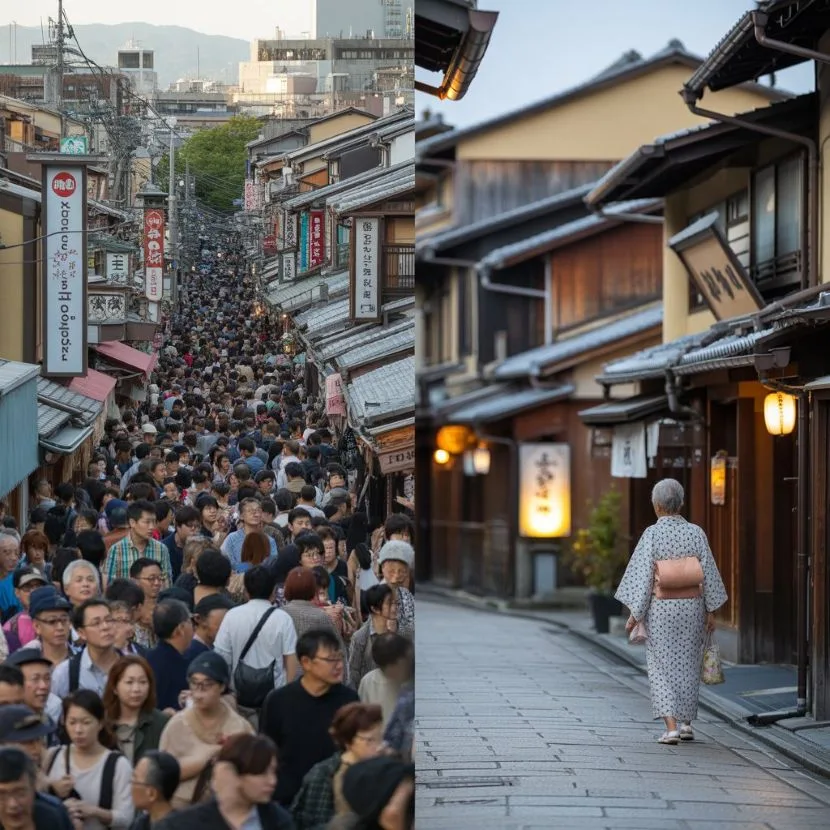
Overtourism has been a growing issue for several years, with iconic cities like Kyoto, Osaka, and Tokyo, among others, facing the brunt of overcrowded tourist spots, pollution, and strained resources. The influx of visitors has been causing massive disruptions in local communities, with residents often bearing the brunt of overcrowded streets, noise, and damage to cultural heritage. With the recent rebound in tourism following the pandemic, these issues have been reignited, requiring urgent intervention.
The overcrowding of popular destinations has led to a decline in both resident satisfaction and visitor experience. Sites that were once tranquil and revered have been turned into overcrowded hotspots. The government of Japan recognized that unchecked tourism growth threatens not only the environment but also the culture and essence of these historic places.
Japan’s Comprehensive Plan: From 47 to 100 Regions by 2030
To curb these negative impacts, Japan has rolled out a detailed plan, known as the Fifth Tourism Nation Promotion Basic Plan. This initiative aims to scale efforts from 47 regions currently addressing overtourism issues to 100 by 2030. The government will focus on creating a sustainable tourism model that balances visitor numbers with the needs of local residents. The key to success lies in engaging communities, which will have a significant role in shaping these policies. This plan includes strategies to reduce visitor congestion, encourage tourism in off-peak times, and create more enriching, off-the-beaten-path experiences for tourists.
Advertisement
Advertisement
The expansion to 100 regions means that more cities across Japan will receive support to handle high volumes of tourists, ensuring that the benefits of tourism are spread more evenly across the country. This will reduce pressure on the most popular destinations and allow lesser-known regions to benefit from tourism’s economic rewards.
High-Value Tourism: Transforming Destinations Beyond the Crowds
One of the central elements of Japan’s plan is to shift focus from mass tourism to high-value tourism. This means creating premium experiences in less crowded areas, encouraging visitors to explore regions that are off the typical tourist route. Some of these “model regions” include the rugged wilderness of Hokkaido, the historic towns of Matsumoto and Takayama, and the art-rich islands of Setouchi. These areas will offer more exclusive, immersive experiences like guided wilderness tours, art cruises, and traditional food experiences. By focusing on quality over quantity, Japan hopes to spread the benefits of tourism without overwhelming any single area.
Advertisement
Advertisement
Through this initiative, Japan plans to elevate the local tourism experience by preserving cultural heritage and creating more luxurious, sustainable, and intimate encounters for visitors. The goal is not just to limit the number of tourists but to elevate the type of tourism that will positively impact both the economy and the local way of life.
Infrastructure and Technology: Making Travel Smarter and Smoother
Reducing crowding also requires upgrading infrastructure, and Japan is stepping up with various improvements. The government is enhancing transportation services, such as boosting rail services to popular regions and introducing eco-friendly light rail and articulated buses. These measures are designed to ease congestion in major cities and encourage tourists to travel beyond the typical hotspots.
Advertisement
Advertisement
In addition to better infrastructure, Japan is integrating cutting-edge technology to manage crowd movement. Digital incentives, such as rewards for tourists who visit off-peak areas, will be offered through apps linked to the country’s digital ID system. Real-time crowd tracking and suggestions for alternative routes will help tourists avoid congestion and improve their travel experience.
Community Involvement: The Heart of Sustainable Tourism
Perhaps the most significant aspect of Japan’s strategy is its emphasis on community participation. Local residents, businesses, and government officials will work together to develop tailored strategies for managing tourism in each of the 100 regions. This community-driven approach ensures that the local voice is central to decision-making, and that measures align with the values of the people who live in these areas. By involving residents, the government hopes to foster trust and collaboration, ensuring that measures taken to manage overtourism reflect local needs.
This model is in stark contrast to traditional top-down tourism policies, which have often ignored the concerns of residents. By putting locals in the driver’s seat, Japan aims to create a more inclusive and harmonious approach to tourism management.
The Economic Impact: How the Triple Tourist Tax Will Fund the Efforts
One of the key funding mechanisms for Japan’s overtourism plan is a significant hike in the international tourist departure tax. From 2026, this tax will rise from ¥1,000 to ¥3,000 (approximately £16), with the extra revenue earmarked for initiatives aimed at reducing the effects of overtourism. This move has drawn some concern from budget travellers, but the government argues that this fee is minimal compared to global standards and is essential for maintaining sustainable tourism in the long run.
The revenue from this tax will be used to finance infrastructure improvements, crowd management systems, and the development of more high-value tourism packages. This funding approach ensures that tourists contribute to the places they visit, helping to maintain the very experiences that attract them in the first place.
Japan’s Bold Vision: A Model for Asia and Beyond
Japan’s plan is not just a domestic initiative; it is a model for other countries grappling with similar overtourism challenges. Destinations like Bali, Bangkok, and Seoul have all struggled with overcrowded tourist spots, leading to community pushback and environmental degradation. Japan’s clear, measurable targets and its willingness to use taxes to fund these efforts could set the stage for other countries to adopt similar strategies.
As other nations in Asia begin to feel the pressure of overtourism, Japan’s approach provides a road map for how to balance tourism growth with community well-being. While each country will have to adapt the model to fit its unique needs, the principles of sustainable tourism, community involvement, and high-value experiences will likely resonate across the region.
A New Era for Tourism in Japan and Asia
The 2026 announcement of Japan’s 100-region overtourism strategy marks a pivotal moment in the evolution of global tourism. By prioritizing the well-being of local residents, improving infrastructure, and embracing high-value tourism experiences, Japan is setting a new standard for sustainable travel. As Asia watches closely, other nations may soon follow suit, bringing about a regional shift toward more responsible, community-focused tourism.
For travellers, this shift offers an opportunity to experience a more thoughtful, respectful form of tourism that benefits everyone involved. Those willing to embrace the new rules and explore lesser-known regions will find richer, more meaningful experiences while helping to protect the places they love to visit. Japan’s plan may be the spark that ignites a tourism revolution across Asia—one where sustainability and local prosperity go hand in hand with travel.
Advertisement
Advertisement