Published on
March 27, 2026

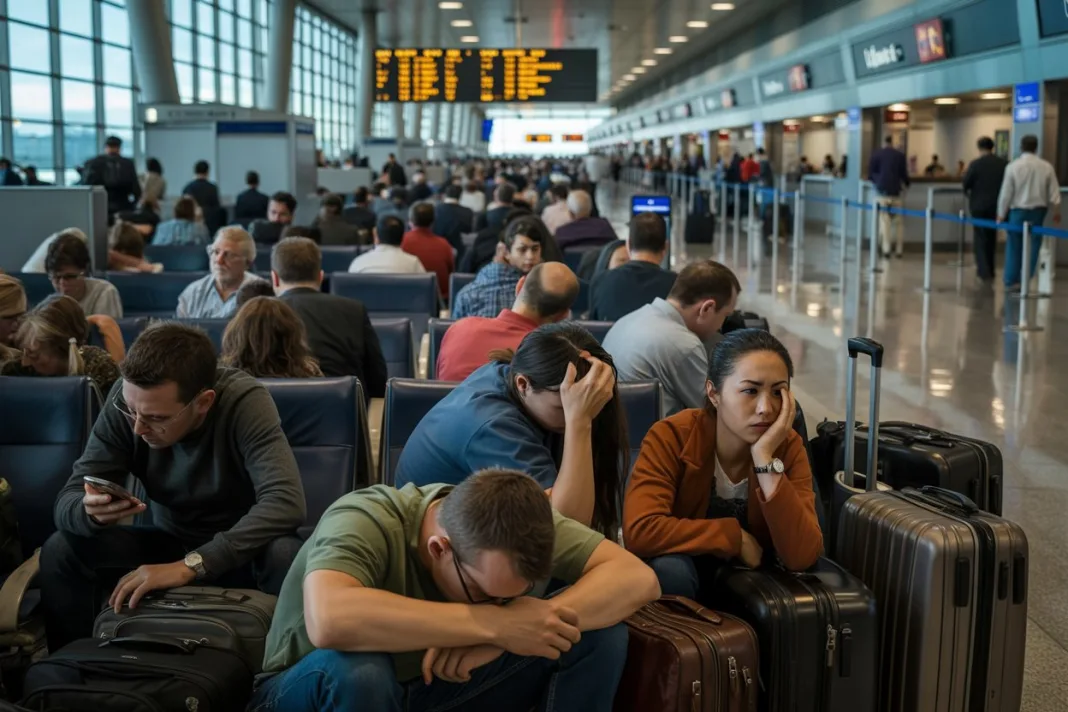
Image generated with Ai
Navi Mumbai International Airport (NMIA) is set to revolutionize domestic connectivity with its ambitious summer schedule for 2026, launching 30 new routes and expanding its network to 46 destinations. This bold move will enhance access to key commercial, tourist, and religious hubs across India, including high-traffic cities like Delhi, Goa, Bengaluru, and Cochin.
The new schedule is designed to meet the soaring air travel demand in the Mumbai Metropolitan Region (MMR) and strengthen NMIA’s position as a vital aviation hub. With major carriers like IndiGo, Akasa Air, and Air India Express supporting the expansion, NMIA’s capacity will soar to 1,092 weekly flights by April 2026. As the airport ramps up its operations, these additional routes will provide travelers with more options, ease congestion at other airports, and significantly improve India’s domestic air travel infrastructure.
Expanding Connectivity Across India
The summer schedule introduces 30 new domestic routes, which will connect NMIA to a diverse array of commercial, tourism, and religious destinations throughout India. The expansion aims to enhance connectivity and accommodate the rising passenger demand within the Mumbai Metropolitan Region (MMR), one of the country’s largest urban and economic hubs.
Some of the key cities seeing significant connections from NMIA include Delhi, Goa, Bengaluru, and Cochin. Delhi, with its bustling political and business significance, will have nine daily departures, while Goa, the country’s prime tourist hotspot, will see seven daily flights. Bengaluru, known for its IT-driven economy, will have six daily departures, and Cochin, with its blend of cultural and religious tourism, will have five daily flights.
Other cities that will benefit from the expanded network include Hyderabad, Kolkata, Lucknow, Varanasi, and Indore, all of which will witness increased connectivity through NMIA’s growing number of daily flights.
Airline Partnerships and Increased Capacity
The ramping up of operations will be supported by three prominent Indian carriers: IndiGo, Akasa Air, and Air India Express. These airlines will operate additional flights from NMIA, contributing to the broader expansion of its capacity and network coverage. This collaboration is expected to boost the overall air traffic movement, ensuring that passengers have access to more flight options across a wider selection of destinations.
Advertisement
Advertisement
By the end of the summer schedule period, NMIA’s flight operations are projected to reach a substantial 1,092 weekly air traffic movements. This means, on average, there will be 156 air traffic movements per day, marking a significant increase from the 22 daily departures at launch. This surge in operations comes just a few months after NMIA began commercial operations on December 25, 2025.
Growing Demand and Improved Access to Tier-1 and Tier-2 Cities
The expansion of routes at NMIA is expected to significantly enhance the accessibility of both Tier-1 and Tier-2 cities across India. With major urban centers and lesser-explored destinations now connected more efficiently, passengers will have the advantage of better options for business, leisure, and pilgrimage travel.
The move also supports the growing demand for air travel in the MMR, which is known for its rapid urbanization, thriving economy, and tourism potential. With Mumbai at its core, NMIA plays a pivotal role in ensuring that the region’s transportation infrastructure aligns with its economic and demographic growth.
The airport’s expansion comes at a time when air travel across India is experiencing a boom, spurred by the country’s recovering economy post-pandemic and increasing tourism. The addition of these new domestic routes is expected to ease the pressure on Mumbai’s existing air traffic infrastructure, offering a much-needed alternative for passengers and ensuring smoother operations for airlines.
A Vision for Future Growth
Navi Mumbai International Airport’s first summer schedule is just the beginning. As the airport continues to ramp up its operations, there are plans to further extend its network, eventually serving international routes as well. The airport’s long-term vision includes making it a key regional hub for international and domestic flights, boosting Mumbai’s prominence as a global aviation center.
As NMIA takes its first steps into a new era of air travel, the development of this airport represents not only a technological and logistical achievement but also a symbol of Mumbai’s continued growth. The first summer schedule will help lay the groundwork for the region’s expanding transportation needs, ensuring that NMIA becomes an indispensable gateway for travelers.
Looking Ahead
Navi Mumbai International Airport is set to elevate domestic connectivity with its 46-destination summer schedule, adding 30 new routes to major cities and tourism hotspots, while boosting air traffic to meet rising demand across India.
With its first summer schedule now in place, NMIA is poised to become a major player in India’s aviation landscape. The strategic expansion of its domestic network will cater to the growing demand for air travel in the region, improving accessibility, and offering increased convenience for passengers. As the airport continues to develop its capacity, passengers can look forward to an even broader range of destinations, both domestic and international, in the coming years.
As the MMR’s newest airport hub, NMIA stands at the forefront of India’s aviation future, promising to shape travel patterns across the nation while offering better connectivity to the world.
Advertisement
Advertisement