
Published on
March 26, 2026

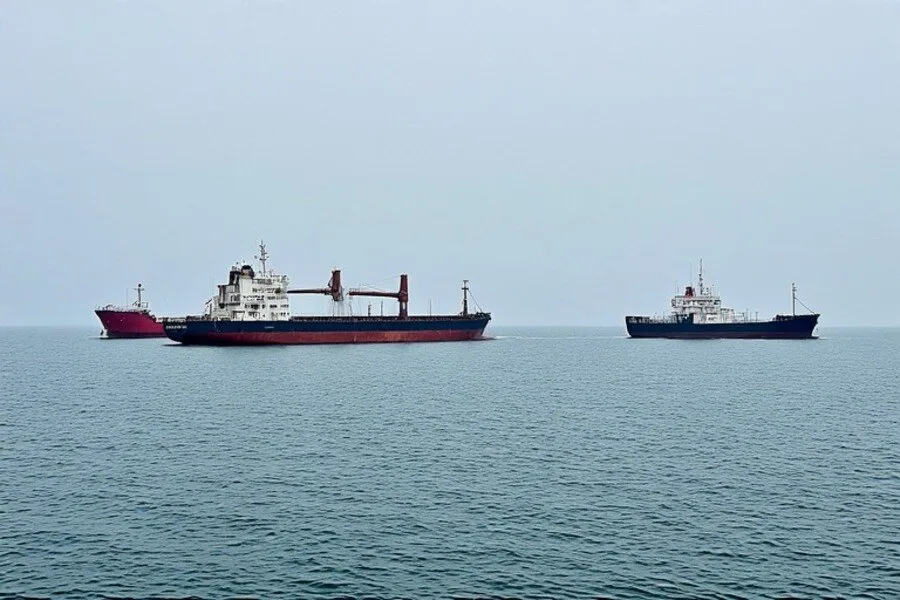
Image generated with Ai
In a bold move that has escalated global tensions, Iran has announced the reopening of the Strait of Hormuz to a select group of countries, including China, Russia, India, Iraq, and Pakistan, while blocking access for its adversaries, particularly the United States, the United Kingdom, and other Western nations. This significant development intensifies energy supply concerns and raises alarms over potential disruptions to global trade routes, especially for nations reliant on the vital passage for their oil and gas shipments. As Iran strategically aligns with its regional allies, this move has far-reaching consequences for both energy markets and international travel, particularly for countries like the US, UK, Canada, Germany, and Japan, whose naval and trade interests are at stake.
The tensions in the Middle East continue to evolve with dramatic shifts in the geopolitical landscape, especially concerning the crucial maritime route, the Strait of Hormuz. Iran, whose control over the strait has long been a strategic lever in the region, has made an unprecedented announcement, granting passage through the waterway to vessels from “friendly nations.” This revelation not only reshapes the dynamics of energy trade and travel in the region but also signals Iran’s intent to assert more influence over key trade routes at a time when global energy security is under severe strain.
Iran’s Strategic Move in the Strait of Hormuz: A Critical Gateway for Global Energy
The Strait of Hormuz, a narrow passage linking the Persian Gulf to the Gulf of Oman and the Arabian Sea, is one of the most vital maritime chokepoints in the world. It is responsible for carrying approximately one-fifth of the world’s oil and natural gas supplies. Any disruption here sends shockwaves through the global energy market, affecting everything from crude oil prices to energy security policies worldwide. Iran’s control over this passage has always been a critical component of its geopolitical strategy, especially as tensions have escalated with countries such as the United States, Israel, and various Gulf states.
In a significant policy shift that has captured the attention of the global community, Iran’s Foreign Affairs Minister Abbas Araghchi announced early on Thursday that Tehran has granted selective passage through the Strait of Hormuz to vessels from what it calls “friendly nations.” The countries included in this list are India, China, Russia, Iraq, and Pakistan. This decision marks a remarkable departure from Iran’s earlier tactics, which included partial blockades and threats of total shutdowns aimed at exerting pressure on adversaries.
Iran’s Foreign Minister stated that the policy was intended to ease tensions and to signal Tehran’s willingness to allow diplomatic negotiations. As the U.S. and Iran engage in backchannel talks, this gesture from Tehran could be interpreted as a sign that Iran is looking for avenues to address its security concerns without escalating the conflict further.
The US Ceasefire: A Temporary Pause, But For How Long?
The timing of this announcement is critical. The United States has been embroiled in an escalating war of words and actions with Iran. On the heels of a deadly conflict that saw joint US-Israel strikes against Tehran in February, President Donald Trump confirmed that the U.S. was temporarily pausing attacks on Iran’s power infrastructure. The ceasefire, which came as a surprise to many in the international community, had the effect of easing the financial and political pressures mounting from nearly a month of intense conflict. Since the killing of Iran’s Supreme Leader, the markets have been on edge, and global oil prices have fluctuated dramatically.
Advertisement
Advertisement
In his statement, Trump claimed that he had positive talks with Iranian officials, which Tehran later denied. This has further fueled speculation that the pause in U.S. attacks might be part of an intricate diplomatic chess game. Some analysts view this temporary ceasefire as a tactical move by the U.S. to test the waters for future negotiations, while others argue that Iran’s decision to grant passage to “friendly nations” is part of a broader effort to ease the pressure and reduce tensions in the region.
The Role of Friendly Nations in Global Trade and Energy Security
The countries identified by Iran—India, China, Russia, Iraq, and Pakistan—represent not only a strategic alignment but also significant players in global energy markets. Their access to the Strait of Hormuz could provide Iran with more leverage in future negotiations with the U.S. and other Western powers.
- India, which imports more than 80% of its crude oil from the Middle East, particularly through the Strait of Hormuz, stands to benefit significantly from Iran’s decision. Any disruption to its crude oil imports from this region would have serious repercussions for India’s economy, making it one of the most important nations for Iran’s strategy.
- China, the world’s largest importer of oil, also stands to gain from this development. China’s relationship with Iran has long been based on mutual strategic interests, including energy security and trade. Allowing Chinese vessels to pass freely through the Strait could further cement this bilateral relationship.
- Russia has also emerged as an important partner for Iran, with the two countries sharing mutual interests in the energy sector. Russia’s involvement in Middle Eastern geopolitics has grown in recent years, and the ability to navigate the Strait of Hormuz without restrictions would bolster Russia’s influence in the region.
- Iraq, which shares a border with Iran, has long relied on the Strait of Hormuz for the export of its oil. Any disruption in its access to this key maritime passage would devastate Iraq’s oil export capabilities. With Iraq’s ongoing struggle to stabilize its political environment, having a dependable route for its oil exports is crucial.
- Pakistan, which has historically been aligned with Iran in various regional conflicts, also stands to benefit from the opening of the Strait. Its access to the passage could provide Pakistan with a more secure and direct route for shipping crude oil and other essential goods.
The Strait of Hormuz and Its Vital Importance to World Markets
The Strait of Hormuz’s importance cannot be overstated. It connects the oil-rich Persian Gulf with the rest of the world. It is the gateway through which millions of barrels of oil are shipped daily to various markets, especially those in Asia, Europe, and the United States. The strategic importance of this route has made it a focal point for political and military tensions.
Given the current geopolitical climate, the closure of the Strait of Hormuz—even partially—poses a significant threat to global energy markets. A prolonged closure or disruption could result in skyrocketing energy prices, which would affect every sector of the economy, from transportation to manufacturing.
Iran’s selective reopening of the Strait of Hormuz to its “friendly nations” can be viewed as a calculated move to prevent a complete collapse of the energy market while still maintaining control over the region. This gesture could, in turn, strengthen Iran’s bargaining position in any future negotiations, particularly with countries that rely heavily on oil shipments through the strait.
The Prospects for US-Iran Peace Talks
Despite the growing tension, there are signs that both the United States and Iran might be inching toward a diplomatic resolution, even if the path is far from clear. On Wednesday, Araghchi stated that Iran is reviewing a U.S. proposal aimed at ending the war in the Gulf. However, he also clarified that Iran had no intention of sitting down for talks that would involve ending the broader Middle East conflict. The fact that Tehran has agreed to consider the proposal suggests a shift in its approach, even if the discussions remain highly sensitive and complicated.
The U.S. has already made preliminary proposals that include the dismantling of Iran’s nuclear program and the curbing of its ballistic missile activities. These have been met with resistance from Tehran, which insists that it will not negotiate its national security interests under duress.
The Role of Lebanon in Ceasefire Talks
In an intriguing development, Iranian officials have made it clear that any ceasefire agreement between Iran and the U.S. must also include Lebanon. This has added an additional layer of complexity to the peace talks. Lebanon, home to the Hezbollah militia, which is aligned with Iran, has long been a flashpoint in the region. The inclusion of Lebanon in any peace negotiations underscores Iran’s regional ambitions and its desire to protect its allies in the Arab world.
Israel’s Response: The Push for Regime Change
While Iran is opening the door for potential negotiations, Israel has remained firmly opposed to any diplomatic engagement with Tehran. Israeli Prime Minister Benjamin Netanyahu has long called for a regime change in Iran, claiming that the country’s leadership poses a direct threat to regional and global security. Netanyahu has also emphasized the importance of dismantling Iran’s nuclear program and eliminating its long-range missile capabilities.
Israel’s stance is unlikely to shift anytime soon, particularly given the current political climate in the country and the region. The U.S. has continued to support Israel’s calls for tougher sanctions and even military action to neutralize Iran’s nuclear ambitions.
The Impact on US, UK, Canada, Italy, Germany, Japan, and More
As Iran selectively opens the Strait of Hormuz to “friendly nations,” the global community—particularly Western powers—will likely face significant challenges in securing their energy needs. The disruption of this critical shipping route has already led to higher oil prices, and the restricted passage for non-friendly nations could worsen the situation, especially for countries that rely heavily on oil imports from the region.
- The United States: While the U.S. has been at odds with Iran over its nuclear ambitions and regional influence, the disruption in the Strait of Hormuz will directly impact U.S. energy markets. A prolonged escalation could lead to higher gas prices across the U.S., along with increased energy instability. Washington may also have to reconsider its current strategy, as its reliance on Middle Eastern oil imports still affects its broader economic stability.
- **The United Kingdom and Germany: Both these European nations depend on Middle Eastern energy resources to fuel their industries and maintain economic stability. The selective passage granted by Iran could lead to energy shortages, prompting the UK and Germany to seek alternative energy supplies. For Germany, which is heavily reliant on oil and gas imports, this may cause further economic ripple effects, especially in manufacturing and transportation.
- Canada and Italy: Canada, though a net oil exporter, is still vulnerable to price fluctuations in global markets. Any drastic hike in crude oil prices could have a domino effect on Canadian industries that rely on oil as a key input. Italy, too, with its reliance on crude imports, might face similar challenges if the situation escalates.
- Japan: As one of the largest energy consumers in the world, Japan is particularly vulnerable to disruptions in the Strait of Hormuz. The nation imports the majority of its crude oil from the Middle East, and any restriction in access to the strait could exacerbate Japan’s already fragile energy security.
This selective access to the Strait, though a temporary development, has the potential to shift the balance of power in the Middle East and force these nations to reconsider their foreign policies, particularly regarding their relationships with Iran.
The Potential Impact on Crude Oil and Energy Markets
The opening of the Strait of Hormuz to “friendly nations” comes at a time when energy markets are already facing immense challenges. The geopolitical uncertainties surrounding Iran’s role in the region have led to volatile crude oil prices. Although the partial reopening of the Strait may alleviate some of the immediate supply concerns, analysts caution that the situation remains fluid.
If Iran continues to exert control over the Strait while selectively allowing certain nations passage, it could further distort global supply chains and drive up costs. Countries dependent on oil from the Middle East, especially those in Europe and Asia, will be forced to reconsider their energy strategies and look for alternative routes or sources of supply.
Iran’s decision to allow India, China, Russia, Iraq, and Pakistan to pass through the Strait of Hormuz could be a pivotal moment in the ongoing Middle East conflict. While it might offer some respite to global energy markets and shipping lanes, it also signals a deeper, more strategic shift in Iran’s approach to diplomacy and regional power dynamics.
As peace talks continue, and tensions between Iran, the U.S., and Israel simmer, the international community will be watching closely. The decisions made in the coming weeks could reshape the geopolitical order in the Middle East for years to come, with profound implications for both energy markets and global diplomacy.
Iran has opened the Strait of Hormuz to China, Russia, India, Iraq, and Pakistan, while blocking access for its adversaries like the US, UK, and others. This move intensifies global energy and trade concerns, particularly for Western nations relying on the crucial shipping lane for oil and gas transport.
The coming months will tell whether Iran’s “friendly nations” policy will lead to greater stability in the region or if it will trigger a broader confrontation. For now, the Strait of Hormuz remains the most important flashpoint in an ever-changing geopolitical landscape.
Advertisement
Advertisement