
Published on
March 26, 2026

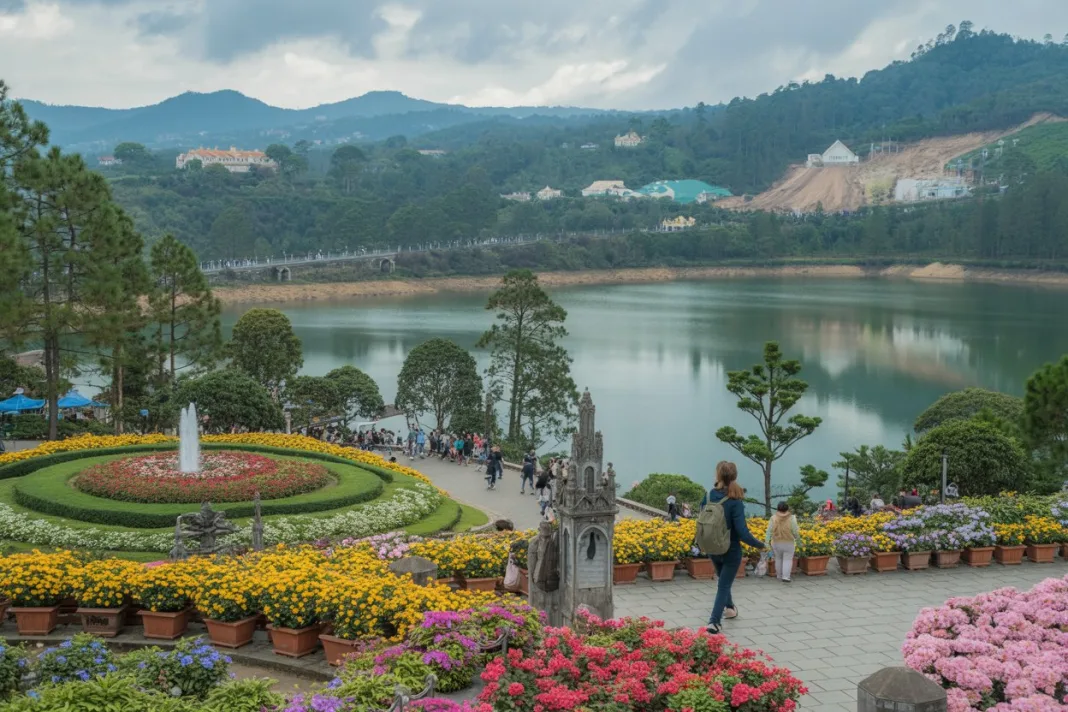
Image generated with Ai
The Maipokhari to Sandakpur Ridge trek in eastern Nepal is not only a picturesque journey through the country’s stunning landscapes but also a vital route for supporting red panda conservation. As part of Nepal’s celebrated Red Panda Trail, this stretch offers trekkers a unique blend of nature, community, and wildlife conservation, especially during the peak festival season. The route covers diverse ecosystems, from forested ridges to Ramsar-listed wetlands, and highlights the importance of sustainable tourism for the protection of endangered species.
This guide delves into everything you need to know to navigate the Maipokhari to Sandakpur Ridge trail, exploring its ecological significance, the ongoing red panda conservation efforts, and how the trail itself supports community development through eco-tourism.
Sandakpur: A Gateway to Nature and Conservation in Ilam
Nestled in Ilam District, Sandakpur Rural Municipality is a scenic hub of eastern Nepal, offering a wealth of natural beauty. Covering 156 square kilometers and home to around 15,000 residents, this area is known for its temperate forests, hillside tea gardens, and expansive mountain ridges leading to the Nepal-India border. Sandakpur has rapidly gained recognition as a destination for nature lovers, cross-border trekkers, and conservation enthusiasts. It has become an essential base for sustainable tourism, aimed at preserving the region’s rich biodiversity and fostering community-led conservation projects.
The Third Red Panda Festival: Celebrating Conservation and Local Culture
The Red Panda Festival, now in its third edition, will be held over four days in Sandakpur Rural Municipality, Ilam. The festival serves as both a cultural celebration and an important platform for raising awareness about the protection of the endangered red panda. By intertwining tourism with conservation goals, the festival seeks to attract visitors who are passionate about wildlife preservation and environmentally responsible travel.
Advertisement
Advertisement
Local authorities, alongside conservation partners, have invested significantly in red panda protection efforts in areas like Maipatal and surrounding forest patches. These initiatives aim to create sustainable tourism models that benefit both the environment and local communities. The festival offers a chance for travelers to experience the region’s natural beauty while supporting these important conservation efforts.
The Red Panda Trail: A Trek with a Purpose
The Red Panda Trail is a key feature of the festival, providing trekkers with an opportunity to explore Nepal’s diverse landscapes while contributing to red panda conservation. The route takes visitors through forested hills, tea plantations, and wetland areas that are essential habitats for red pandas and other local wildlife.
Advertisement
Advertisement
Starting from Maipokhari, the trail winds its way to higher ridges like Sandakpur, offering trekkers panoramic views of the Himalayas. Along the journey, trekkers pass through villages that have been traditionally isolated from mass tourism, making it a prime location for cultural immersion. The locals, often involved in conservation activities, welcome visitors into their homes and lodges, offering an authentic experience that integrates community life with sustainable tourism.
The route also highlights areas of ecological importance, such as temperate broad-leaved forests and Ramsar-listed wetlands, which are crucial to the preservation of the region’s biodiversity. As trekkers traverse these landscapes, they witness firsthand the delicate balance between nature conservation and local livelihoods.
Eco-Tourism and Community Engagement: A Path to Sustainability
One of the core principles of the Maipokhari to Sandakpur Ridge trek is its emphasis on low-impact travel and community involvement. Eco-tourism is becoming an essential livelihood for local residents, who are directly benefiting from the increased tourism in the area. By participating in homestays and small local lodges, visitors support the local economy while fostering sustainable development.
The trek also provides an opportunity for trekkers to engage with local conservation efforts. Many of the villagers, through community-based conservation initiatives, are actively involved in protecting red panda habitats and other endangered species in the region. These initiatives are not only helping to preserve wildlife but are also empowering the local community, ensuring that tourism benefits are reinvested in conservation and development projects.
Why the Maipokhari to Sandakpur Ridge Trail Matters
This segment of the Red Panda Trail stands as a powerful example of how sustainable tourism can intertwine with wildlife protection efforts. By providing a platform for trekkers to explore red panda habitats while simultaneously promoting eco-tourism, the trail plays a critical role in the long-term protection of these endangered animals. The Red Panda Trail helps preserve the biodiversity of the region while offering visitors an unforgettable trekking experience.
As Nepal continues to embrace the growing importance of conservation travel, the Maipokhari to Sandakpur Ridge section of the Red Panda Trail is paving the way for future initiatives that support both environmental sustainability and local communities.
Conclusion: A Festival of Conservation and Adventure
The Maipokhari to Sandakpur Ridge trek is much more than a scenic route—it is a meaningful journey that brings together conservation, culture, and adventure. Whether you are a nature enthusiast, a wildlife advocate, or simply looking for an authentic trekking experience, this trail offers a rare opportunity to explore one of Nepal’s most important eco-tourism corridors. By taking part in this trek, visitors contribute directly to the protection of the red panda and support the local communities that are dedicated to maintaining this delicate balance between tourism and conservation.
As the third Red Panda Festival approaches, this part of Nepal’s Red Panda Trail continues to demonstrate the power of responsible travel to foster both environmental stewardship and economic growth.
Advertisement
Advertisement