
Published on
March 24, 2026

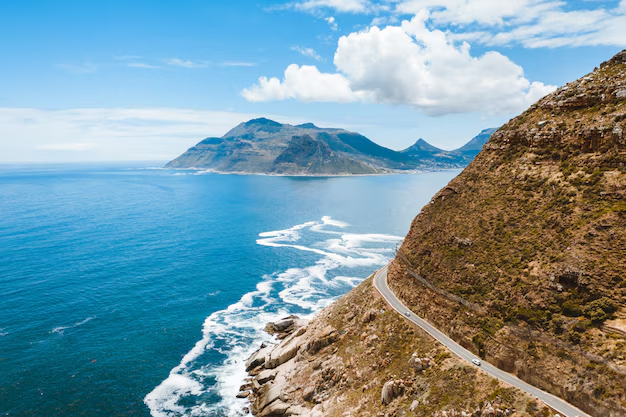
Image generated with Ai
Cape Town has once again earned a prominent place on the global stage, securing the 6th spot in Time Out’s Best Cities list for 2026. This recognition highlights the city’s strong international appeal, its exceptional natural beauty, and its ability to attract both tourists and residents. However, while the accolade brings much-needed attention to Cape Town’s vibrancy, it also underscores ongoing concerns about the affordability of living in the city as its tourism industry continues to boom.
Cape Town’s Unmatched Natural Beauty Shines Through
One of the most compelling aspects of Cape Town’s ranking is its recognition as the world’s most beautiful city, with 86% of locals affirming the stunning natural beauty of the city. The blend of mountains, beaches, and lush green spaces continues to captivate both residents and visitors alike, earning Cape Town the title of a natural wonder. Table Mountain, Kirstenbosch Botanical Gardens, and the Cape Winelands are just a few of the iconic attractions that draw thousands of travelers each year.
This natural splendor, combined with the city’s vibrant cultural life, makes Cape Town an ideal destination for both leisure tourists and business visitors. The beauty of the landscape has been a constant draw, with international tourism numbers remaining high despite challenges.
Tourism: A Key Driver for Economic Growth and Job Creation
Tourism continues to play a central role in Cape Town’s economy. In 2024, 2.4 million overnight tourists contributed a staggering R24.5 billion in direct spending, supporting over 106,000 jobs, which represents 6.9% of total employment in the city. This indicates the city’s growing dependence on the tourism sector, which has become a vital economic lifeline.
While Cape Town celebrates its ranking and the success of its tourism sector, there is a growing focus on ensuring that the benefits of tourism are shared more equitably. James Vos, the Mayoral Committee Member for Economic Growth, emphasized that while Cape Town’s tourism industry has seen tremendous success, it’s crucial to ensure inclusive growth and that small businesses, local communities, and workers also benefit from this progress.
Rising Affordability Concerns Amid Tourism Growth
As much as Cape Town’s tourism sector has contributed to its economy, it has also brought with it a set of challenges. The ongoing tourism growth has led to increased living costs, which has created a gap in accessibility for many residents. Despite the city’s appeal and booming tourist numbers, affordability concerns continue to escalate, particularly in relation to the cost of living and housing. As more international visitors flock to the city, the prices of goods and services have risen, further pushing out local communities who may already be struggling with the high costs.
Advertisement
Advertisement
Enver Duminy, CEO of Cape Town Tourism, acknowledged that it’s essential to strike a balance between tourism growth and maintaining the affordability of the city for residents. This means taking into account not just the economic impact of tourism but also the quality of life for the local population. Sustainable tourism practices that prioritize the needs of both tourists and residents will be key to ensuring Cape Town remains an attractive destination without compromising the well-being of its inhabitants.
Efforts to Tackle Affordability and Sustainable Growth
In response to rising costs, the City of Cape Town has undertaken several initiatives to address affordability issues. The city is focusing on improving public services, creating affordable housing, and promoting inclusive tourism strategies. Sustainable tourism is being promoted to ensure that the growth of the industry does not outstrip the city’s ability to manage it.
Additionally, Cape Town is introducing measures to encourage year-round travel, reducing reliance on high seasons and allowing local businesses to benefit from a steadier influx of visitors throughout the year. This diversification strategy is intended to make tourism more sustainable, allowing for better distribution of the economic benefits across different sectors of the community.
Cape Town’s Global Standing and Future Prospects
Cape Town’s continued ranking in the top 10 of the Time Out Best Cities list affirms its status as one of the world’s most attractive and dynamic cities. However, the challenges of maintaining affordability while managing tourism growth require ongoing attention and action. As Cape Town faces the pressures of increasing demand, the city is actively working to balance its vibrant cultural, natural beauty, and growing economy with the need for sustainable development and affordable living.
The recognition Cape Town has received on the global stage will undoubtedly help the city continue to attract tourists, businesses, and investment. At the same time, the City of Cape Town and its residents remain committed to ensuring that the benefits of tourism extend beyond just the visitors to ensure a thriving, diverse and inclusive community for years to come.
Conclusion: A City with Boundless Appeal and Evolving Challenges
Cape Town’s ranking as the 6th best city in the world for 2026 is a testament to its global appeal, breathtaking beauty, and dynamic tourism sector. However, as the city continues to grow and attract international visitors, addressing the challenges of affordability and sustainable tourism will be crucial to ensuring that Cape Town remains an accessible and vibrant destination for both locals and tourists alike. The city’s efforts to balance these competing priorities will define its future and its standing as a premier destination on the global map.