


Published on
March 20, 2026

Image generated with Ai
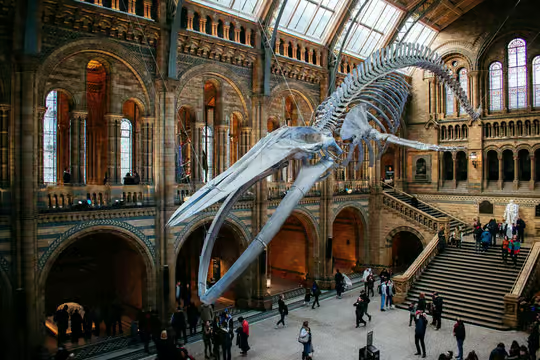
In 2025, the UK’s tourism sector witnessed a surge in visitor numbers, driven by record-breaking performances from its top attractions. The iconic Natural History Museum in South Kensington, London, emerged as the most-visited museum in the UK, surpassing previous records and becoming the country’s most popular cultural institution. With its strong recovery from the pandemic and the ever-growing interest in natural sciences, the museum’s exceptional growth mirrors the continued boom in UK tourism. As more international visitors flock to the nation’s cultural gems, 2025 proved to be a landmark year for the tourism industry.
Record-Breaking Year for Natural History Museum
London’s Natural History Museum has set a new standard in the UK’s tourism sector. In 2025, it topped the list of most-visited attractions, welcoming a record 7,116,929 visitors, a significant 13% increase from the previous year. This impressive surge in attendance makes it the highest recorded figure for a UK museum or gallery. The Natural History Museum’s appeal, combined with its seasonal events, unique exhibitions, and world-class collections, continues to captivate visitors from around the world.
Notably, this exceptional growth has positioned the museum as a key player in the recovery of the tourism industry, surpassing other top contenders, such as the British Museum. The Director of the Natural History Museum, Dr. Doug Gurr, attributes this milestone to the public’s overwhelming curiosity about the wonders of the natural world. He also highlighted plans for future expansion to accommodate the growing number of visitors, with the NHM150 programme set to enhance its facilities ahead of its 150th anniversary in 2031.
Strong Regional Growth Across the UK
While London remains the focal point for tourism in the UK, regional destinations also recorded impressive growth. The North West of England, in particular, saw a remarkable 11.3% increase in visitor numbers, leading the country in regional growth. Attractions in the East Midlands and Scotland also performed well, with visits increasing by 7.5% and 2.6%, respectively. These gains reflect a broader regional recovery, supported by the UK’s evolving cultural offerings and robust seasonal programming.
Advertisement
Advertisement
In Scotland, the National Museum of Scotland retained its status as the most-visited free attraction, with over 2.3 million visits, while Edinburgh Castle continued to draw large crowds. Northern Ireland’s Titanic Belfast also reported an 8% rise in visitors, cementing its place as the region’s top attraction.
London’s Cultural Rebirth: Exhibitions and Reopenings
Several London institutions experienced a resurgence in 2025, marking a return to pre-pandemic visitor numbers. The National Gallery, for instance, jumped to fifth place with a 29% increase in visitors following the reopening of its Sainsbury Wing and the installation of a new exhibition. Other cultural venues, such as the Royal Academy of Arts and UK Parliament, saw significant increases in attendance, with UK Parliament experiencing a 47% surge.
Advertisement
Advertisement
The Royal Academy of Arts benefited from a successful Summer Exhibition, which helped boost its visitor numbers by 20%. Similarly, cultural hubs like the Southbank Centre and Royal Albert Hall attracted a steady flow of visitors, contributing to the city’s renewed vibrancy.
Seasonal Programming Boosts Footfall
In 2025, seasonal programming emerged as a key driver of footfall across the UK’s attractions. Attractions such as the Eden Project and Chatsworth House saw strong visitor numbers linked to Halloween and Christmas events. The Blenheim Palace, a UNESCO World Heritage Site, approached nearly a million visits, while the English Heritage-run Kenwood House enjoyed a 27% increase in visitors, thanks to a major exhibition and themed seasonal experiences.
Seasonal events proved crucial in sustaining the momentum for attractions that relied heavily on unique events to engage the public. From festive celebrations to cultural festivals, these attractions capitalized on the public’s desire for enriching experiences during holiday seasons.
Impact of Reopenings and Cultural Events
Reopenings and cultural events were significant contributors to regional growth in 2025. The Birmingham Museum and Art Gallery, for example, saw an astonishing 305% increase in visitors following its reopening. Similarly, Bradford’s National Science and Media Museum experienced a boost in attendance, largely driven by its role as the UK City of Culture 2025.
Other regions experienced similar success due to their cultural landmarks and the reopening of significant heritage sites. The Beamish Museum in the North East, Stonehenge, and Windsor Castle remained top attractions. Furthermore, many museums celebrated anniversaries and special exhibitions, boosting regional tourism numbers and enhancing the UK’s reputation as a hub for cultural tourism.
The Financial Strain of Rising Operational Costs
Despite the positive growth, the UK’s tourism sector continues to face financial pressures. According to the Association of Leading Visitor Attractions (ALVA), 2025 was a year of high operational costs, including increases in national insurance contributions, minimum wage levels, and general inflation. These rising costs have made it difficult for attractions to maintain their profit margins while competing in a crowded market.
Bernard Donoghue, Director of ALVA, emphasized that while UK attractions are still highly valued, they are operating in a challenging environment. He noted that visitors are becoming increasingly selective about how they spend their time and money, often opting for free or lower-cost activities, or exploring digital entertainment options instead.
The Road Ahead for UK Attractions
The UK’s tourism sector has proven resilient in 2025, with key attractions like the Natural History Museum leading the charge in terms of attendance. As visitor numbers continue to rise, both London and regional destinations have benefited from targeted seasonal programming, successful reopenings, and cultural events. However, attractions must navigate the ongoing financial pressures posed by rising operational costs and increased competition.
Despite these challenges, the future looks bright for the UK’s tourism industry. With a continued focus on enhancing the visitor experience and expanding capacity, institutions like the Natural History Museum are well-positioned to remain at the forefront of cultural tourism. As the sector continues its recovery, the 150th anniversary of the Natural History Museum in 2031 will undoubtedly be a major milestone in the UK’s cultural history, promising an exciting new chapter for one of the world’s most beloved museums.