
New Delhi: As the US-Israel-Iran war shows no signs of waning, leading Indian hospitals reported a drastic 50% to 75% fall in overseas patient flows in the last two weeks. These top hospitals include Fortis Healthcare, Artemis Hospitals group, Marengo and others.
For the current month, Fortis healthcare says the overall revenue impact may be in the range of 15% to 20%, a figure like some other hospitals. Executives feel the market may see further decline if the war continues.
“Indian hospitals are witnessing a sharp decline in patients arriving from the Middle East, as the escalating conflict disrupts travel, squeezing revenue.
Oman, Saudi Arabia, Iran, Iraq, and Yemen have been among the biggest contributors to India’s big corporate hospital chains like Max Healthcare, Fortis, Apollo, Manipal.
Anil Vinayak, Group Chief Operating Officer, Fortis Healthcare Limited said that ever since the war broke out, there is a decline of more than 30% in international footfall across all the cities.
The Middle East is a large contributes 30% of international business at Fortis. Vinayak said that in the initial 2-3 days, the impact was minimal as we had patients who had already travelled to India.
The numbers have fallen sharply since. A comparison of the last ten days of February with the first ten days of March reveals a staggering 75% drop in patient footfall from the Middle East.
For the current month, Fortis’ Vinayak said the overall revenue impact on international medical tourism may be approximately 15 -20%. “However, significant impact would be seen in the coming months due to the decline in new patient arrivals from several key source countries.”
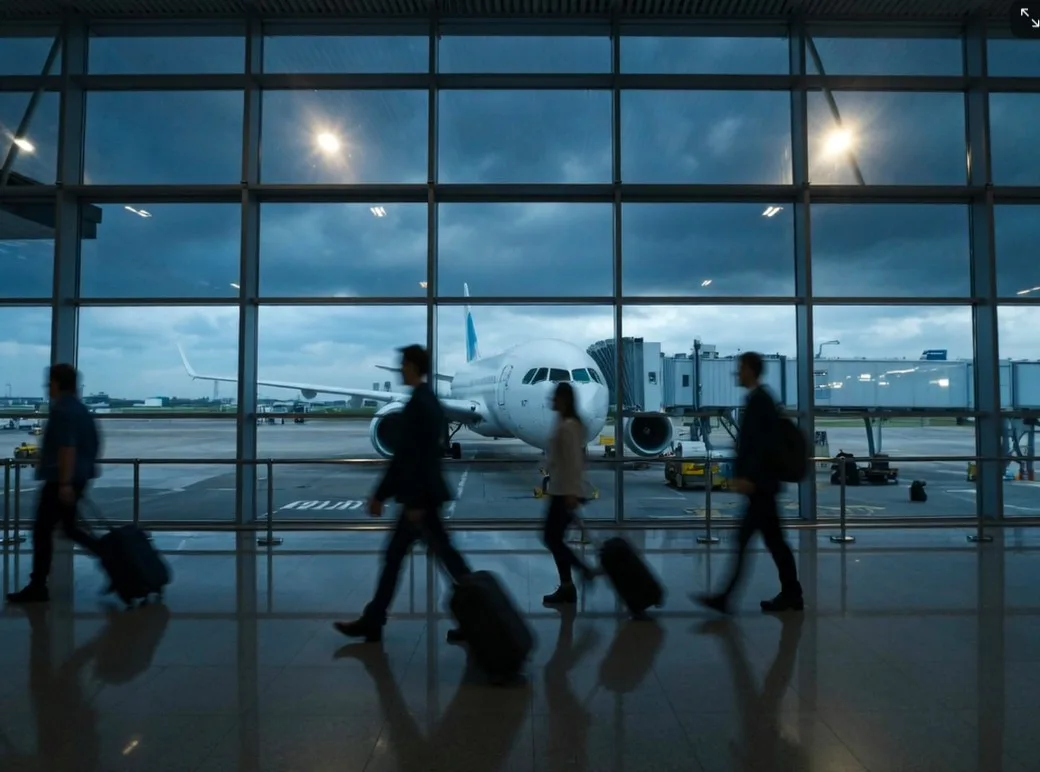
Compounding the crisis, flights from across the Middle East have declined sharply due to airspace disruptions. The surge in flight costs is adding a further layer of hardship for patients seeking to travel to India for medical care.
“We’re seeing a 40-60% decline in Medical Value Travel (MVT) numbers from conflict-affected regions, with airspace closures, flight suspensions, and increased airfares of 15-25% creating major barriers for international patients.
With the current scenario, people from these areas are taking precautionary measures and deferring non-urgent trips,” said Dr. Raajiv Singhal, Founding Member, Group Managing Director and CEO, Marengo Asia Hospitals and Chair- FICCI Medical Value Travel Committee.
Chief marketing officer for international & domestic, Artemis Hospitals group, Manoj Kumar said there has already been a revenue dip of 35% .
The new registrations have come down to zero in the last few days from the Middle East, another executive said.
Patients who travel from the Middle East to India largely come for complex, life-altering procedures like transplants, cardiac care, neurology, oncology, and urology among others.
The worsening situation at home has held back patients from opting for elective surgeries like such implants, cosmetic and geriatric procedures.
“Critically, nearly 80% of these patients are battling advanced conditions. Among the clinical specialities, plastic surgery and geriatric care have emerged as the most vulnerable,” an executive from a leading chain of private hospitals in India said.
Hospitals are now pivoting toward Southeast Asia, Africa, and Central Asia as alternative patient sources.
According to Apollo Hospital, the patient flow from Africa could also be impacted due to travel restrictions. However, they expect this impact to be short-term in nature.
“We are also pursuing opportunities to expand international patient outreach in markets including Indonesia, Mauritius, and Sri Lanka, as part of our strategy to diversify our global patient base.”
Fortis’ Vinayak said the near-term outlook for international patient inflow remains unpredictable, and the trajectory of recovery will largely depend on how quickly stability returns to the affected regions and global travel confidence improves.
“The situation remains highly uncertain, and the next few weeks will be critical in determining whether conditions stabilize and international travel begins to normalize across the affected regions. Historically, after major geopolitical conflicts or disruptions, the recovery in international medical tourism typically takes 2-3 months, as patients gradually regain confidence to travel and logistical challenges such as flight availability and visa processing return to normal”.