
Published on
March 16, 2026

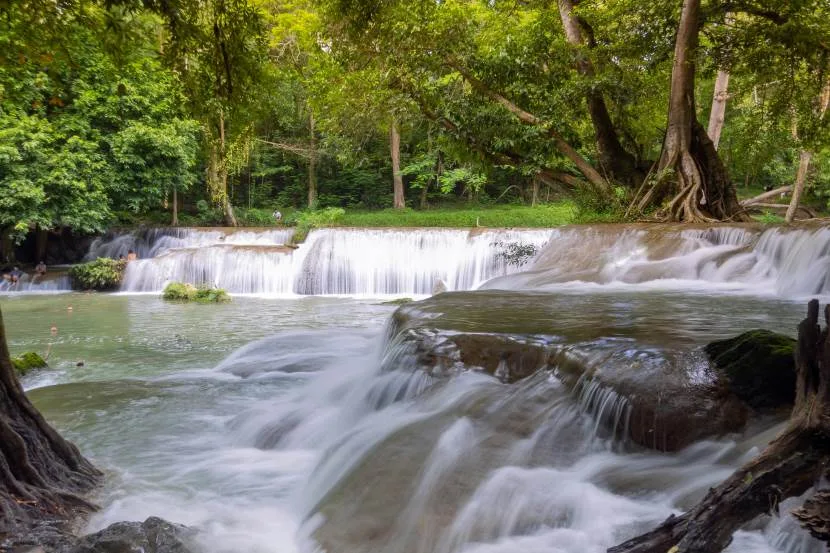
Image generated with Ai
In the world-famous tourist town of Kullu in Himachal Pradesh, a significant transformation is being spearheaded by the state government. Through the strategic implementation of the Eco-Tourism initiative, unexplored tourist destinations within the Kullu district are being systematically developed. This move is designed to diversify the local tourism portfolio while ensuring that the pristine beauty of the Himalayas remains preserved. It is observed that the Forest Department, Kullu Circle, has successfully identified more than 16 eco-tourism sites to be integrated into this framework. By focusing on sustainable development and rural economy empowerment, the region is being positioned as a global leader in environmentally conscious travel.
Strategic Site Identification and Allocation
A comprehensive survey was conducted by the authorities to pinpoint locations that possess immense natural beauty but have remained outside the traditional tourist circuit. From the total pool of identified locations, five eco-tourism sites have already been allotted through a transparent process of open auction. Under this arrangement, essential tourist facilities are being established on specific plots consisting of one hectare of forest land. This controlled approach ensures that infrastructure development does not infringe upon the broader ecological integrity of the Kullu forests.
The management of these sites is being handled with a long-term vision. It has been noted that the allotments are granted for an initial duration of 10 years. However, provisions have been made so that this period can be extended by an additional five years, provided that the ecological standards and operational guidelines are strictly maintained by the stakeholders.
Revenue Generation and Economic Impact
The financial viability of the Eco-Tourism initiative is already being demonstrated through several active locations. In the Kullu district, specific sites including Kais Dhar, Solang Nala, Kasol, Sumaropa, and Kheerganga-Bindravani are currently operational. These destinations are contributing significantly to the state exchequer, with an annual revenue of approximately Rs 1.5 crore being generated for the Forest Department.
This revenue is not merely a statistical achievement but represents a shift toward self-sustaining environmental management. The funds collected are utilized for the further protection of forest resources and the enhancement of public amenities. Furthermore, the success of these primary sites has paved the way for the inclusion of nine more eco-tourism sites which have recently been identified for future development.
Empowerment of the Rural Economy
The primary objective behind the development of these eco-tourism sites by the state government is the strengthening of the rural economy. It is recognized that traditional tourism often concentrates wealth in urban hubs, leaving remote villages underserved. By diverting footfall to these new, unexplored destinations, the economic benefits are being distributed more equitably across the Kullu region.
Advertisement
Advertisement
Local communities are being integrated into the tourism value chain. The initiative is structured such that the natural assets of the villages become a source of sustainable livelihood. This model discourages the migration of residents to overcrowded cities by bringing economic opportunities directly to their doorsteps.
Job Creation and Youth Engagement
A critical component of this initiative is the creation of employment opportunities for the local youth. As the eco-tourism sites are developed, a variety of roles are being generated, ranging from site management and hospitality to nature guiding and adventure sports instruction. The youth of Himachal Pradesh are being encouraged to take an active role in the stewardship of their natural heritage.
Training programs are often facilitated to ensure that the service standards at Kais Dhar, Kasol, and other sites meet international expectations. By engaging the younger generation, the government ensures that the principles of conservation are passed down, creating a community that is both economically stable and environmentally aware.
Sustainable Infrastructure and Land Use
The restriction of development to one hectare of forest land per site is a deliberate policy to minimize the environmental footprint. Temporary and eco-friendly structures are preferred over permanent concrete buildings to ensure that the forest floor is not permanently damaged. The use of local materials and traditional Himachali architectural styles is often encouraged to maintain the aesthetic harmony of the region.
Waste management protocols and water conservation measures are strictly enforced at sites like Solang Nala and Sumaropa. By setting these high standards, the Forest Department, Kullu Circle ensures that the “eco” in eco-tourism is strictly upheld, preventing the degradation that is often seen in high-density tourist zones.
Future Horizons for Kullu Tourism
The roadmap for the future involves the gradual activation of the remaining identified sites. With nine additional locations in the pipeline, the Kullu district is set to offer an even wider array of experiences for nature lovers and trekkers. The expansion is being handled with caution to ensure that the carrying capacity of each forest zone is not exceeded.
The long-term success of the Eco-Tourism initiative in Himachal Pradesh serves as a blueprint for other mountainous regions. It proves that economic prosperity and environmental guardianship can coexist through proper regulation and community involvement. As more travelers seek authentic and sustainable experiences, Kullu is well-positioned to meet this demand while protecting its most valuable asset—its natural environment.
Conclusion of the Initiative
In summary, the efforts by the Himachal Pradesh government to develop new destinations under the Eco-Tourism initiative are yielding multi-faceted benefits. Through the identification of 16 sites and the successful auctioning of key locations like Kheerganga-Bindravani, a new era of tourism is being ushered in. Revenue is being generated, the rural economy is being bolstered, and the local youth are being provided with meaningful employment. The commitment of the Forest Department, Kullu Circle to a 10-to-15-year developmental cycle ensures that these sites will be nurtured for a generation, securing both the financial and ecological future of the Kullu district.