


Published on
March 15, 2026

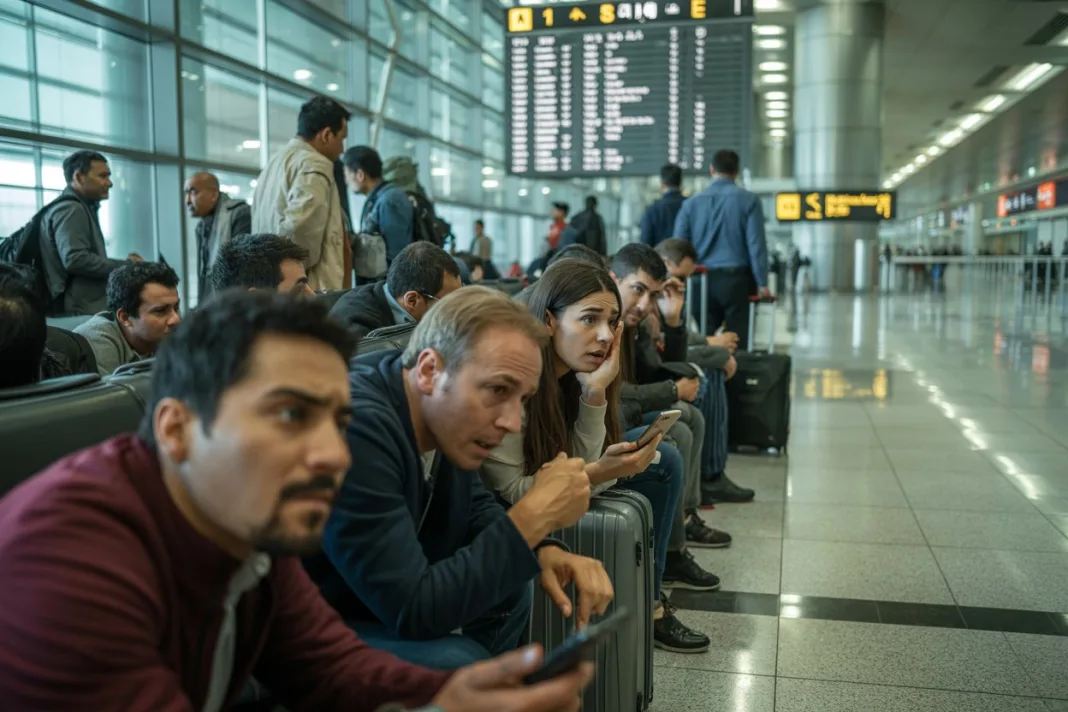
Image generated with Ai
The escalation of geopolitical tensions in the Middle East has caused a massive disruption to global travel, with airspace closures, flight cancellations, and delays creating chaos for passengers. Cities like Dubai, Doha, and Abu Dhabi, once bustling with international passengers, are now grappling with an unprecedented drop in air traffic as the ongoing conflict between the United States and Iran causes shockwaves in the aviation industry.
The Australian Government’s Smartraveller service has issued several warnings, urging Australians and other international travelers to reconsider their plans to travel to or through the Middle East. What was once a region known for seamless global connections has become a focal point for disruption, with consequences felt far beyond the Gulf countries.
Flight Cancellations and Airspace Restrictions Impact Global Travel
In response to the escalating conflict, airlines have suspended or rerouted flights through Middle Eastern airspace. Airports in Dubai, Doha, and Abu Dhabi—vital hubs for connecting long-haul international flights—are experiencing significant disruption. According to aviation reports, hundreds of flights have been canceled or rerouted, with alternative air routes now more expensive and longer. This has resulted in a massive backlog of passengers, many of whom are struggling to find available flights.
The Australian Government is advising against non-essential travel to the region due to heightened security risks, including potential missile strikes and military operations that are affecting airports, roads, and even tourism infrastructure. Airports in cities like Dubai, which once saw millions of travelers pass through annually, have become sites of significant disruption.
Advertisement
Advertisement
The Ripple Effect: Tourism and Hospitality in Dubai, Doha, and Abu Dhabi
The tourism industry in the Middle East has been heavily impacted by the crisis. Cities such as Dubai, Doha, and Abu Dhabi had previously thrived on their status as tourism hubs, attracting millions of international visitors each year. However, with flights canceled, routes altered, and tourism warnings issued, the region’s luxury resorts, shopping malls, and entertainment venues are now facing empty rooms and decreased visitor numbers.
The World Travel and Tourism Council (WTTC) estimates that the Middle Eastern tourism sector is losing upwards of $600 million a day in revenue due to the global travel disruption. Hospitality businesses, which depend on the influx of international tourists, are now scrambling to adjust their operations in an uncertain climate.
Advertisement
Advertisement
Smartraveller Issues Urgent Travel Advisory for Australians
The Australian Department of Foreign Affairs and Trade (DFAT) has been closely monitoring the situation. They have updated their travel advisory, warning Australians to avoid non-essential travel to countries like Iran, Syria, and Lebanon, as well as areas around military facilities in Israel, Qatar, and the UAE. Australians with plans to travel through these areas are urged to reconsider their travel arrangements and be aware of potential travel delays or cancellations due to the unpredictable nature of the conflict.
Travelers are also advised to check flight statuses frequently and stay in contact with airlines or travel agents to rebook or reroute flights where necessary. Those already in the region are encouraged to register with the Australian Government’s consular services for emergency updates or assistance.
Advertisement
Advertisement
Global Travel Warnings and Increased Security Risks
In addition to the disruption in air travel, security risks have risen globally due to the ongoing conflict. Countries worldwide, including the United States, the UK, and Canada, have heightened their terrorism alerts in the wake of growing tensions. The Smartraveller advisory also highlights the increased risk of civil unrest and potential reprisal attacks in several countries, including North America and Europe, where protests against the conflict may turn violent.
Authorities are advising travelers to exercise extreme caution in public places, particularly where large gatherings or protests are likely to occur. They also recommend avoiding unnecessary travel in certain areas that have been flagged as high-risk due to the potential for terrorist activity or violence.
What’s Next for Travel in the Middle East?
As the situation continues to evolve, it remains unclear how long the disruption will last. Tourism authorities in the Middle East are calling for greater coordination among governments, airlines, and tourism providers to mitigate the effects of the crisis. In the long term, the Middle East may have to reassess its reliance on high-volume international transit and focus more on regional tourism and domestic travel to sustain its economic recovery.
Conclusion: Adapting to an Uncertain Future in Global Travel
The geopolitical instability in the Middle East is presenting unprecedented challenges to global aviation and tourism. As Dubai, Doha, and Abu Dhabi work to recover from these shocks, travelers are advised to remain informed and flexible, staying updated on the latest travel advisories from trusted sources such as Smartraveller and official airline communications.
For Australians and international tourists, the key takeaway is to stay vigilant, plan for potential changes, and ensure your safety by following official advice. Despite the setbacks, global travel will eventually recover, and many travelers will look to the future with hope that these challenges will be temporary.