
Published on
March 11, 2026

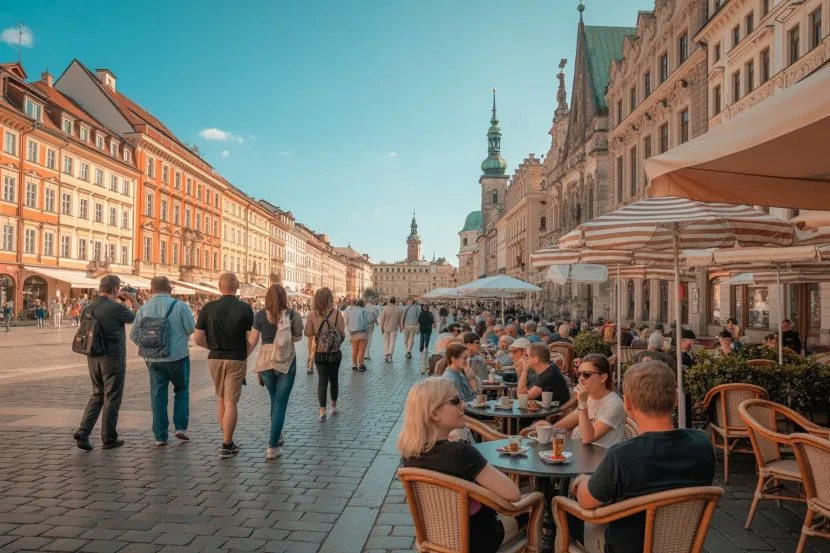
Image generated with Ai
As global instability continues to affect international travel, the European Union (EU) is stepping up its efforts to protect both travellers and tourism destinations from the impacts of war, natural disasters, and other crises. With Europe being one of the world’s most popular destinations, ensuring the safety and resilience of its tourism industry has become more important than ever. The EU is rolling out enhanced measures that coordinate efforts across member states, ensuring tourists are safe and that local economies remain robust, even in times of turmoil.
The EU Civil Protection Mechanism plays a key role in these efforts. Established to help EU member states respond to emergencies, the mechanism provides vital support in times of crisis. From natural disasters to geopolitical tensions that disrupt travel, this framework ensures swift and coordinated responses to protect citizens, workers, and travellers. Through this system, the EU offers a network of resources, including emergency response teams, medical aid, and logistical support. In recent years, the Mechanism has been crucial in evacuating citizens from conflict zones and providing immediate assistance in disaster-stricken areas.
One of the central bodies within the EU Civil Protection Mechanism is the Emergency Response Coordination Centre (ERCC), which operates 24/7 to manage and deploy resources during crises. The ERCC works closely with national authorities and international organizations to ensure that requests for help are promptly addressed. Whether it’s evacuating tourists from unsafe regions or coordinating the delivery of emergency supplies, this centre plays a pivotal role in maintaining the safety and well-being of travellers.
Beyond immediate crisis management, the EU has also focused on strengthening the resilience of the tourism sector itself. Under the European Commission’s “Crisis Management and Governance in Tourism” project, the EU is working with over 50 destinations to improve their ability to withstand and recover from crises. This project provides tourism bodies with essential tools to assess vulnerabilities, develop crisis management plans, and ensure that local economies remain intact during difficult times. With this support, destinations across Europe are better equipped to handle disruptions, from sudden political unrest to natural disasters.
Advertisement
Advertisement
The initiative also emphasizes the importance of building long-term resilience. Training programs, digital resources, and best practice guides help tourism operators, local governments, and destination managers understand the risks they face and prepare accordingly. These efforts are not just about responding to emergencies but also about creating a sustainable tourism infrastructure that can thrive in the face of future challenges.
In addition to crisis preparedness, the EU’s efforts focus on ensuring the continuity of tourism flows during times of crisis. One notable example is the REPowerEU initiative, which aims to reduce Europe’s dependence on unstable external energy supplies. By promoting the transition to renewable energy and diversifying energy sources, the EU aims to mitigate the impact of energy disruptions on the tourism sector. This initiative ensures that travel and hospitality businesses can operate smoothly, even in the face of global energy crises.
Advertisement
Advertisement
Furthermore, the EU Tourism Advisory Committee has been instrumental in ensuring that tourism policies remain aligned with broader EU goals of sustainability, inclusivity, and growth. This committee brings together stakeholders from across the tourism industry to provide input on the best ways to build resilience in the sector. Their efforts help shape policies that not only protect tourists but also support local communities that depend on tourism for their livelihoods.
As the world continues to face complex and unpredictable challenges, the EU’s proactive approach to crisis management is proving invaluable. For travellers, this means better security and confidence when visiting European destinations. The EU’s focus on crisis readiness ensures that tourism remains a safe and stable industry, even during global disruptions.
Advertisement
Advertisement
The EU’s comprehensive crisis management strategies provide a much-needed layer of protection for both travellers and tourism destinations across Europe. By fostering resilience, coordinating responses, and offering support to vulnerable regions, the EU is ensuring that its tourism sector continues to thrive, even in times of crisis. For both tourists and businesses, the future looks brighter, with stronger safeguards in place to ensure the ongoing success of European tourism.