
Published on
March 9, 2026

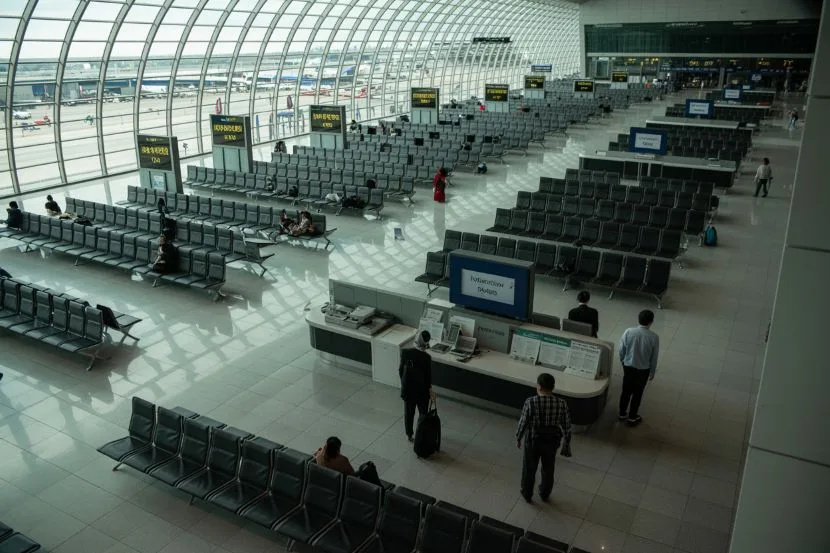
Image generated with Ai
Thailand’s tourism industry is bracing for a devastating revenue drop of up to 40.9 billion baht (approximately USD 1.15 billion) as the ongoing closure of Middle Eastern airspace severely impacts flight schedules and tourist arrivals. With the conflict in the Middle East causing ripple effects in global aviation, the tourism ministry has revealed that if the disruption continues for eight weeks, the kingdom could face an unprecedented decline in both European and Middle Eastern tourists. The implications of this are especially significant as Thailand has long relied on these regions as primary sources of inbound travel.
Disruption in Travel Routes: The Impact on Thai Tourism
As Gulf airlines like Emirates and Etihad Airways resume only limited operations, tourists from both the Middle East and Europe are encountering extensive delays and cancellations. For the Thai tourism sector, this could mean a loss of nearly 600,000 arrivals, a scenario that would have an astronomical financial impact on everything from accommodations to transport services.
The ministry’s assessment paints a grim picture in the worst-case scenario, where the closure could persist for eight weeks, leading to an estimated reduction of 595,874 visitors. This would result in a staggering 40.9 billion baht loss, significantly affecting tourism revenue from Europe and the Middle East—regions that traditionally make up a substantial portion of Thailand’s inbound tourism market.
European visitors account for nearly 430,000 of the lost arrivals, while 146,000 Middle Eastern tourists are expected to cancel or reschedule their trips to Thailand. Other regions, including Asia, will also experience a dip in tourist numbers, though the total decline from this group remains relatively smaller. Thailand, which is a popular tourist hub for its beaches, cultural heritage, and vibrant cities, is heavily dependent on these markets for its tourism revenue.
Advertisement
Advertisement
Short-Haul Markets: Thailand’s Strategic Pivot
Despite the expected losses, Thailand is looking to pivot towards short-haul markets such as Malaysia, India, and South Korea, aiming to minimize the revenue gap caused by the crisis. As a strategic response, the Tourism and Sports Ministry is ramping up its promotional efforts to highlight Thailand as a convenient aviation hub for travelers, particularly those flying from Asia to Europe.
As travelers from the Middle East and Europe are forced to make alternate travel plans or delay their trips, Thailand sees an opportunity to capitalize on regional travel, particularly for tourists from neighboring countries who will not face such disruptions. In light of this, the ministry is hopeful that Malaysia, India, and South Korea—all relatively close markets—will help soften the blow to the tourism industry.
Advertisement
Advertisement
The Cost of Flight Cancellations and Rising Airfares
From March 1st, over 400 flights have been canceled to and from Suvarnabhumi Airport, Thailand’s busiest international gateway, adding to the challenges faced by travelers. These cancellations stem from both the airspace closure and airlines’ inability to operate on full schedules. For affected travelers, the situation has led to not only financial losses but also delays in their travel plans.
The summer schedule of airlines means that high season flight prices are already soaring due to factors like higher oil prices and volatile currency exchanges. As long-haul flights take longer than usual, many tourists may be discouraged by the higher airfares, leaving only those with bigger budgets to continue their journeys to Thailand. For those looking to travel, the change in airfares and flight times presents another barrier to access, particularly for those who were planning budget-friendly trips.
Advertisement
Advertisement
Adjustments in Tourist Spending Habits: A Decline in Disposable Income
As Europe braces for an inflation surge, the spending power of European tourists is expected to further diminish, with many travelers tightening their budgets. According to the ministry’s projections, European travelers are likely to cut back on spending during their visits, which could affect Thailand’s hospitality sector.
In contrast, Middle Eastern tourists, known for their high-spending habits, are also feeling the pinch. The ongoing geopolitical issues in the region have created an uncertain economic environment, which impacts the decision-making process of potential tourists. Despite the challenges, Thailand is actively promoting its wealth of affordable travel options and seeking to diversify its inbound markets to protect itself from the turbulence in the Middle East and Europe.
Strategic Measures to Assist Travelers Amid the Crisis
In response to the unfolding travel chaos, Thailand has deployed volunteers to assist at key tourist assistance centers in major airports, particularly to handle the influx of queries from stranded travelers. Between February 28 and March 5, a significant number of flights were grounded, most notably from Suvarnabhumi, where nearly half of the scheduled flights were canceled. To mitigate these issues, airport staff are working around the clock to ensure that tourists receive assistance, including rebooking and refunding options for affected bookings.
Tourists planning to travel to Thailand during this period are advised to closely monitor their flight status and be prepared for potential delays. Travelers are also encouraged to seek flexible booking options and stay updated with the latest travel advisories from the Thai government and airlines operating in the region.
Impact on Outbound Thai Tourists
While Thailand’s inbound tourism market faces a sharp decline, the outbound travel sector has also been affected. True World Travel, a leading travel agency in Thailand, had to cancel scheduled tour programs to Busan, South Korea, due to flight overbooking, prioritizing passengers stranded due to the flight disruptions. Such disruptions are expected to have a domino effect on Thailand’s outbound travel sector as well, with airlines and travel agencies working overtime to accommodate passengers stranded by the crisis.
Thailand’s Path Forward: Tourism Resilience Amid Crisis
Although Thailand faces a significant financial setback in the short term, the kingdom’s tourism ministry remains optimistic about its long-term recovery. The strategic focus on short-haul markets and aviation connections between Asia and Europe offers a blueprint for resilience. Thailand’s ability to adapt to market shifts and capitalize on regional strengths will be key to minimizing the financial fallout from the ongoing crisis.
While the situation remains fluid, Thailand is determined to strengthen its position as a world-class tourism destination for travelers from around the globe, reinforcing its reputation as a leader in Asian travel and tourism.
Travel Tips for Tourists Affected by the Crisis
- Stay Updated: Regularly check with airlines for flight schedule changes and travel restrictions.
- Flexible Travel Dates: If possible, opt for flexible booking options to avoid steep cancellation fees.
- Consider Alternative Routes: Explore other destinations in Asia that remain unaffected by the disruption.
- Expect Higher Airfares: Long-haul flights might be more expensive due to longer travel times and limited availability.
- Plan for Delays: Prepare for extended travel times and flight cancellations.