
Published on
March 6, 2026

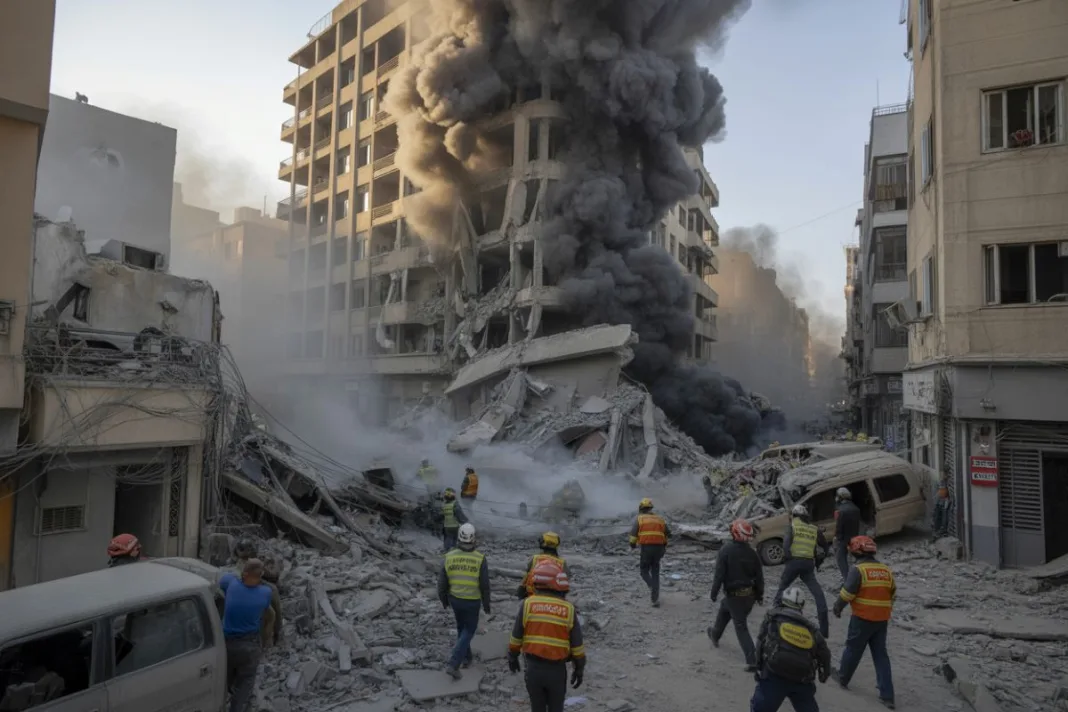
Image generated with Ai
As the Middle East conflict intensifies, Lebanon joins Saudi Arabia, the UAE, Kuwait, Bahrain, and several other nations in experiencing escalating threats, with Israel’s recent strikes on key locations in Beirut exacerbating the dangers for both residents and travelers. Among the most affected areas is the Comfort Hotel in Hazmieh, where airstrikes have left widespread destruction. This alarming escalation has raised serious concerns about the safety of tourists and locals alike, casting a shadow over Lebanon’s already fragile tourism industry. The threat of violence is not confined to Beirut alone, as several regions across Lebanon have been targeted, including Baalbek and southern villages, further amplifying the risk for travelers. The heightened security concerns, along with government travel advisories urging caution, have forced many to reconsider their travel plans. In this article, we’ll explore the impact of these developments on Lebanon’s tourism sector and the broader Middle East, providing crucial information for travelers and addressing the increasing uncertainty in the region. Everything you need to know about the current situation and its implications for those planning to visit Lebanon is right here.
Lebanon’s Tourism Under Threat
Lebanon, a country renowned for its vibrant culture, stunning landscapes, and historical significance, is once again plunged into uncertainty. The recent Israeli airstrikes, which targeted several locations in Beirut and beyond, have raised serious concerns about safety in the country. With numerous hotels, residential areas, and tourist destinations directly affected, Lebanon finds itself amidst an escalating conflict that threatens its tourism infrastructure.
Comfort Hotel Hit by Airstrikes: The Impact on Travellers
The Comfort Hotel, located in the Hazmieh suburb of Beirut, was struck in the early hours of the attack. This location was once a peaceful haven for tourists, offering easy access to the heart of Beirut and surrounding regions. The strikes led to significant damage to the hotel, leaving both residents and tourists in a state of shock and confusion. As rescue operations continue, the fear is palpable, with many wondering if any area in the capital is truly safe.
This attack is not an isolated incident, but part of a larger series of airstrikes that have targeted multiple regions across Lebanon. These strikes, which have caused destruction to both residential buildings and public areas, highlight the growing threat to residents and visitors alike. The images of thick smoke and chaos from these sites send a chilling message to anyone considering Lebanon as a travel destination.
Casualties and Destruction: A Growing Concern for Safety
One of the most devastating strikes occurred in the Al Matraba area of Baalbek, where a multi-storey residential building was hit. According to Lebanon’s National News Agency, four people lost their lives in the attack, with six others injured. Emergency rescue teams are still working tirelessly to retrieve anyone who might have survived the airstrikes. The situation remains fluid, with new explosions reported in several areas, including Haret Hreik in Beirut, Aramoun in the south, and Sadiyath village, where six people were confirmed dead and eight others wounded. These attacks have left locals and tourists in an uncertain and unsafe environment, forcing many to reconsider their travel plans to the region. The state of emergency declared in some parts of Lebanon underscores the serious impact on both the civilian population and the tourism industry.
The Devastation in Beirut: A City on Edge
As the conflict escalates, Beirut, once a bustling hub for international tourists, is now under the shadow of airstrikes and political unrest. The city’s iconic landmarks, such as the National Museum, Corniche, and the bustling Hamra district, remain out of reach for many travellers, with security concerns limiting access to these once-popular sites.
Advertisement
Advertisement
Travel advisories from various government sources, including the US State Department and the UK Foreign Office, have urged citizens to reconsider non-essential travel to Lebanon. The travel industry, already struggling due to past political instability and the economic aftermath of the COVID-19 pandemic, faces an uphill battle as the latest wave of violence further erodes the appeal of Lebanon as a safe destination.
Impact on Travel Plans and Tourism Recovery
The airstrikes are not only affecting the residents but are also having a significant impact on the tourism sector. With flights to Lebanon being cancelled or rerouted, tourism-related businesses, including hotels, restaurants, and cultural attractions, are bracing for a sharp decline in visitors. The ongoing attacks, particularly in tourist-heavy areas like Beirut, have led to widespread cancellations, leaving many businesses uncertain of their future. Despite the challenges, Lebanon’s tourism sector has a long history of resilience, with efforts to rebuild after previous setbacks. However, the repeated threats of violence, coupled with the ongoing political instability, make it increasingly difficult to rebuild trust and confidence among travellers.
What Does This Mean for Tourists in Lebanon?
For those who are in Lebanon or planning to travel there, it is essential to stay informed and vigilant. The safety of residents and visitors alike remains a top priority, with many governments advising against unnecessary travel. Visitors should keep a close eye on local news, monitor updates from their embassies, and be prepared to change travel plans at short notice. The current situation also highlights the broader implications of the Middle East conflict on global tourism. Countries like Saudi Arabia, the UAE, Kuwait, and Bahrain are also feeling the ripple effects of the ongoing unrest. Travel to and from these countries may be impacted, and tourists must consider the potential risks before embarking on their journeys.
How to Stay Safe and Informed During the Conflict
Travellers planning to visit Lebanon in the coming months should exercise caution and adhere to government travel advisories. Staying in regular contact with local authorities and following official guidance can help ensure personal safety. Additionally, travel insurance policies that cover political unrest and emergency evacuations are highly recommended for anyone currently in the region or planning to visit. In Lebanon, emergency response teams are working tirelessly to assist those affected by the airstrikes. For travellers, it is important to be aware of evacuation routes, local emergency numbers, and safe zones. While tourism in Lebanon may be on hold for the foreseeable future, the country’s recovery efforts will play a key role in shaping its future as a travel destination.
Conclusion: Widespread Fear and Uncertainty
Lebanon joins Saudi Arabia, UAE, Kuwait, Bahrain, and others in experiencing a significant threat amid the Middle East conflict, as Israel’s strikes on the Comfort Hotel in Beirut escalate the danger for travellers. The recent attacks have triggered widespread fear and uncertainty, impacting not only the residents but also Lebanon’s already fragile tourism sector. With key tourist areas in Beirut, including hotels and cultural landmarks, suffering severe damage, travellers are increasingly reluctant to visit. The airstrikes have caused a surge in casualties, further elevating concerns about safety. Governments across the world have issued travel advisories, urging citizens to reconsider non-essential travel to Lebanon. This escalation not only jeopardises tourism in Lebanon but also affects surrounding countries in the region, as the ripple effects of the ongoing unrest become more pronounced. As the situation remains volatile, the future of tourism in Lebanon hinges on the country’s ability to navigate this crisis and reassure travellers of their safety. The challenges Lebanon faces are immense, but the resilience of its people and the efforts to restore stability will ultimately determine how soon tourism can recover.