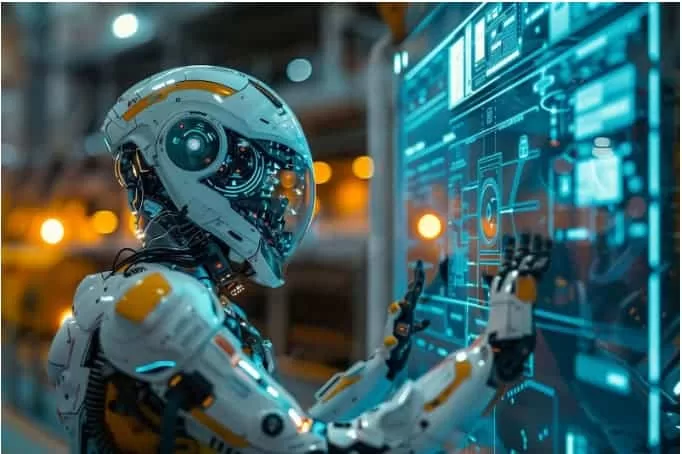


The approach to industrial risk management is experiencing a fundamental shift. Organizations are moving away from relying on historical incident logs for predicting future hazards. Modern facilities now integrate advanced computational models that analyze real-time operational inputs. This transition allows safety professionals to anticipate potential accidents before occurrences happen. Artificial intelligence provides necessary processing power, turning massive volumes of raw information into actionable preventive measures. Transitioning toward these modern frameworks requires careful planning alongside strategic execution. Leaders must evaluate current technological capabilities, determining the best path forward. Implementing intelligent systems fundamentally changes how teams interact within physical work environments.
Shifting from Reactive Responses to Proactive Prevention
Traditional workplace protection strategies often depend upon lagging indicators. Managers review past injuries, determining where protocols failed. This backward-looking method leaves workers vulnerable against unidentified risks. Machine learning algorithms change this dynamic entirely. These systems continuously evaluate environmental variables alongside equipment performance metrics. Recognizing patterns within datasets enables leaders to spot anomalies early.
Predictive analytics tools process thousands of data points every second. They monitor temperature fluctuations, machinery vibrations, and employee movement patterns. When an algorithm detects deviations from normal operating parameters, it triggers immediate alerts. Supervisors receive notifications instantly on mobile devices. Prompt communication ensures teams can address minor issues before escalation into severe emergencies.
Machine learning models require vast amounts of historical information for establishing baselines. Engineers feed years of incident reports into these computational engines. The software learns which combinations of factors typically precede accidents. This historical context allows the system to recognize similar conditions developing in real-time. Predictive capabilities grow stronger as more operational data flows through the network.
Transitioning toward proactive prevention requires comprehensive digital infrastructure. Facilities must install interconnected sensors across entire floor plans. These devices gather continuous streams of operational intelligence. Cloud-based platforms then aggregate this information into centralized dashboards. Safety directors use visual interfaces for tracking risk levels across multiple locations simultaneously.
Integration of these technologies demands shifting management philosophies. Leaders must prioritize early intervention over post-incident investigations. Allocating resources toward addressing predicted hazards demonstrates commitment regarding employee well-being. This proactive stance reduces downtime while improving overall manufacturing efficiency. Companies adopting this mindset often see significant improvements across operational metrics.
Automating Hazard Detection Across Facilities
Computer vision technology serves as a powerful tool for identifying dangerous conditions. Existing security cameras can be upgraded using intelligent software overlays. These visual processing units scan work areas without requiring human intervention. They analyze video feeds, detecting unsafe behaviors as actions happen. Continuous automated monitoring reduces burdens placed upon floor managers.
Intelligent camera networks offer numerous applications within industrial environments. They provide consistent oversight across areas where manual inspections prove difficult. Common use cases include:
- Detecting missing personal protective equipment like hard hats or high-visibility vests.
- Identifying unauthorized personnel entering restricted manufacturing zones.
- Monitoring forklift traffic, preventing collisions with pedestrians.
- Spotting liquid spills on walkways that could cause slip hazards.
- Observing ergonomic postures, preventing repetitive strain injuries among assembly line workers.
Automated detection systems operate with remarkable precision. They differentiate between normal operational activities and genuine safety violations. False alarms are minimized through continuous algorithmic training. When legitimate hazards are identified, the system logs events automatically. This creates objective records detailing workplace conditions over time.
Reviewing automated logs helps safety committees identify systemic issues. If specific intersections experience frequent near-misses, facility engineers can redesign traffic flows. Adding physical barriers or changing signage might resolve problems entirely. Data-backed decisions lead toward permanent structural improvements rather than temporary behavioral fixes.
Scaling Artificial Intelligence in Industrial Operations
Implementing advanced technology begins through targeted pilot projects. Companies typically test new software within single departments or specific production lines. This localized approach allows teams to evaluate system accuracy alongside user adoption. Once initial trials prove successful, organizations begin expanding deployments. Rolling out tools across multiple sites requires careful planning and resource allocation.
The industrial sector is rapidly embracing these technological solutions. Adoption rates indicate strong preferences for comprehensive digital integration. Data from Protex.ai shows that 29% of manufacturers are already using AI/ML at the facility or network level, and 24% have deployed gen AI at that scale. This widespread implementation highlights growing confidence regarding automated risk management platforms.
Scaling these systems involves integrating them alongside existing enterprise software. Safety platforms must communicate seamlessly with human resources databases and maintenance scheduling tools. Cross-functional connectivity ensures risk assessments inform broader business strategies. For example, hazard data can influence future equipment purchasing decisions. It also helps shape customized training modules for different employee groups.
Managing network-wide deployments requires dedicated technical support. IT departments must ensure network bandwidth can handle increased data transmission. Cybersecurity measures need updating, protecting sensitive operational information. Establishing clear governance policies prevents unauthorized access regarding video feeds and analytical dashboards. Secure infrastructure remains essential for maintaining trust within new technology.
Financial returns on these technological investments become apparent quickly. Preventing a single severe injury saves companies hundreds of thousands in medical costs and regulatory fines. Additionally, reducing equipment downtime leads directly toward increased production output. Insurance premiums often decrease when organizations demonstrate proactive risk management capabilities. These economic benefits make digital transformation an attractive proposition for executive boards.
Streamlining Incident Reporting and Analysis
Documenting near-misses and minor accidents is traditionally a time-consuming process. Workers often fill out paper forms that sit inside filing cabinets for weeks. Natural language processing transforms this administrative burden into streamlined digital workflows. Employees can now submit reports using voice commands on mobile applications. The software automatically transcribes spoken words into structured text documents.
Advanced text analysis tools extract valuable insights from narrative descriptions. They identify recurring themes across hundreds of individual submissions. If multiple workers report feeling fatigued near specific machines, systems flag these correlations. Managers can then investigate root causes behind the problem. They might find inadequate ventilation or poor ergonomic design within that specific area.
Digital reporting platforms encourage higher participation rates among frontline staff. When submission processes remain simple, employees are more likely to share observations. Increased reporting volume provides machine learning models with better training data. More accurate algorithms lead toward highly targeted safety interventions. This positive feedback loop continuously improves overall risk management strategies.
Categorizing incidents automatically saves hours of administrative labor. Safety professionals no longer need manual sorting through stacks of paper forms. The software assigns appropriate tags to each report based upon its content. This organized database allows leaders to generate comprehensive performance summaries instantly. Presenting metrics during executive meetings helps secure funding for future safety initiatives.
Building a Data-Driven Safety Culture
Technology alone cannot eliminate workplace accidents. Organizations must cultivate environments where employees actively participate within risk reduction efforts. Transparent communication about how algorithms function builds trust among the workforce. Workers need assurance that monitoring systems exist for protection, not punishment. Clear policies regarding data privacy remain essential for maintaining positive labor relations.
Sharing analytical insights with frontline teams empowers them toward making safer choices. Supervisors can use dashboard metrics during daily shift briefings. Highlighting specific hazard trends keeps workers alert regarding potential dangers. When employees see reported concerns leading toward tangible improvements, engagement increases. Collaborative approaches ensure technological investments yield maximum operational benefits.
Continuous education is necessary for maximizing the value of new software tools. Training programs should teach staff how to interpret predictive alerts correctly. Managers must learn translating algorithmic recommendations into practical floor-level changes. Developing analytical skills across the organization creates a more resilient workforce. Teams become capable of adapting toward evolving industrial challenges.
Building internal consensus requires active participation from all organizational levels. Safety committees should include representatives from various departments, ensuring diverse perspectives shape policy decisions. When workers feel their voices matter, they become champions for technological adoption. Peer-to-peer encouragement drives higher engagement rates than top-down mandates alone. Cultivating this shared responsibility transforms compliance from an obligation into a collective goal.
Recognizing positive behaviors is equally important as identifying hazards. Automated systems can highlight instances where employees follow protocols perfectly. Celebrating successes reinforces desired actions while boosting team morale. Cultures rewarding safe practices prove far more impactful than those focused solely upon penalizing mistakes.
Equipping Teams for Future Operational Success
Modernizing risk management protocols requires strategic commitments toward continuous improvement. Facilities embracing computational analysis gain significant advantages in protecting their personnel. Accessing right digital tools enables leaders to transform raw metrics into actionable intelligence. Evaluating current infrastructure helps identify areas where automated monitoring provides immediate value.
Partnering with experienced technology providers simplifies transition processes. Specialists can assist with sensor installation, software configuration, and staff training. They ensure new systems align alongside specific organizational goals. Taking deliberate steps toward digital integration builds foundations for long-term operational stability. Prioritizing proactive hazard prevention ultimately creates secure environments for every employee.
Integration of intelligent systems represents permanent shifts within industrial operations. Companies investing in these capabilities will be better prepared for future regulatory changes. Maintaining safe workplaces directly contributes toward higher productivity and lower turnover rates. Protecting human capital remains the most important objective for any successful enterprise.