
Published on
February 27, 2026

Image generated with Ai
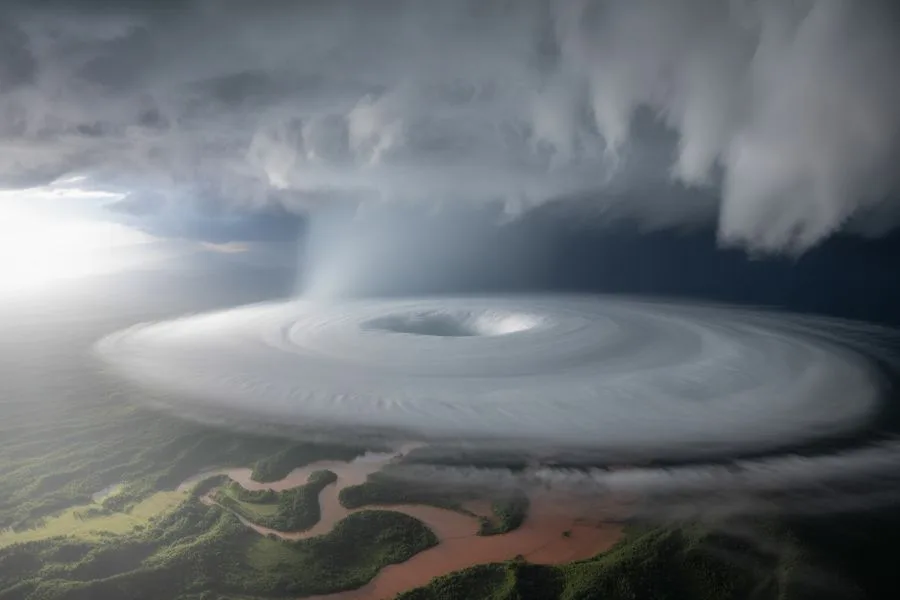
Madagascar has recently been impacted by tropical cyclone Gezani. As such, potential travelers to the country are advised to avoid travel to Toamasina, as the city has been recently impacted by major destructive weather events. On February 10, 2026, the cyclone made landfall in Toamasina, Madagascar, the country’s second-largest city. The cyclone resulted in the deaths of 62 people, and 13 people remain missing as reported by the National Office for Risk and Disaster Management (BNGRC).
The Destruction of Toamasina and Surrounding Areas by Cyclone Gezani
The city of Toamasina has a population of 400,000 and was impacted the most by the cyclone. The cyclone brought strong winds and heavy, prolonged rainfall, which resulted in the destruction of a significant amount of infrastructure. The BNGRC has reported that at least 25,000 homes have been destroyed as a consequence of the cyclone. Additionally, the cyclone also damaged over 750 classrooms, which has had a significant negative effect on the education of the region. Following the disaster, 35,000 people were displaced, and approximately 382,000 people are in desperate need of help.
Tourists traveling to Toamasina, a city known for its culture, beaches, and natural reserves, will no longer be able to visit Madagascar because of the cyclone. The OCHA stated that the cyclone cut off access to some of the more popular destinations.
Cyclone Gezani Spreads to Mozambique
After Madagascar, the cyclone moved to Mozambique and caused more deaths. In mainland Mozambique, the cyclone was responsible for at least four deaths in Inhambane, which is 50 km away and is a small coastal city with about 100,000 residents.
Those who planned to visit the Indian Ocean islands or the southern parts of Mozambique must monitor the situation, as many travelers have been affected by the cyclone. The travel period is expected to have a higher likelihood of cyclones, especially in coastal areas.
Travel Restrictions Madagascar and Toamasina
Travelers are advised to avoid traveling to Toamasina and Madagascar due to the ongoing humanitarian crisis and collapse of infrastructure. The BNGRC has warned people to avoid the affected areas for as long as possible. Rescue operations are ongoing, and areas affected by the crisis may pose health risks due to the collapse of sanitation systems and increased flooding.
Advertisement
Advertisement
The government of Madagascar has allocated humanitarian aid to areas of the highest need and has set up recovery efforts. Travelers should anticipate unstable road conditions, flight delays, cancellations, and traffic jams to and from the area. Travelers are advised to visit the area only after a comprehensive review of their travel plans, taking into consideration any government advisories and trustable information from embassies.
Impacts of Cyclone Gezani
The cyclone has damaged many communities, leaving 35,000 people without homes. Emergency relief efforts are being launched, but due to extensive damage, they will likely take a long time to be completed. There are 382,000 people who need urgent humanitarian assistance. This includes food, water, sanitation, and medicine. Those who are traveling to Madagascar need to be aware of ongoing recovery efforts and delays in services.
Madagascar is home to a one-of-a-kind biosystem and has an amazing cultural background. This has been an attraction to tourists, but the cyclone will have a negative impact on the island’s tourism. Before traveling to the affected areas, like Toamasina, it is important to check the most recent travel updates.
What This Means for Future Travel to Madagascar
This destruction by Cyclone Gezani has a major impact on Madagascar’s tourism. The island has shrimping, beautiful scenery, wildlife, and rich cultures. The cyclone greatly occupies Madagascar’s ability to service tourists. Potential travelers should closely monitor government advisories while waiting for destruction certifications, safety certifications, and service utilizations, such as lodging and transportation.
Assured recovery efforts, tourists should plan their travel to Madagascar. To facilitate this, travelers are encouraged to solicit initiatives to enable local authorities and travel service providers to assist them.
The aftermath of Cyclone Gezani has affected Toamasina, Madagascar, and the Indian Ocean region, which has been hit by one of the most damaging storms of the season. As authorities respond, the region and travel are severely affected. Travelers should always take the recovery efforts into account and are highly encouraged to stay clear of the recovery efforts.