


Published on
February 3, 2026
China’s cultural and tourism sectors are undergoing a profound transformation, fueled by digital advances and a shift in consumer preferences. In 2025, these industries saw substantial growth, continuing their recovery from the pandemic while embracing innovation and a heightened focus on unique, authentic travel experiences. The evolving travel landscape is being shaped by a rise in immersive experiences, a surge in technology-driven innovations, and a push towards regional tourism that brings local heritage to the forefront. This shift is not just about visiting popular tourist spots but immersing oneself in the heart of local cultures. As domestic travel continues to grow, experts anticipate even greater momentum in the future.
Key Trends Reshaping the Cultural and Tourism Sectors
China’s cultural and tourism sectors are increasingly influenced by shifting consumer behaviors and the integration of digital technologies. The industry has witnessed several emerging trends that highlight both the demand for deeper cultural connections and a more personalized approach to travel.
1. Digital Innovation and Transformation
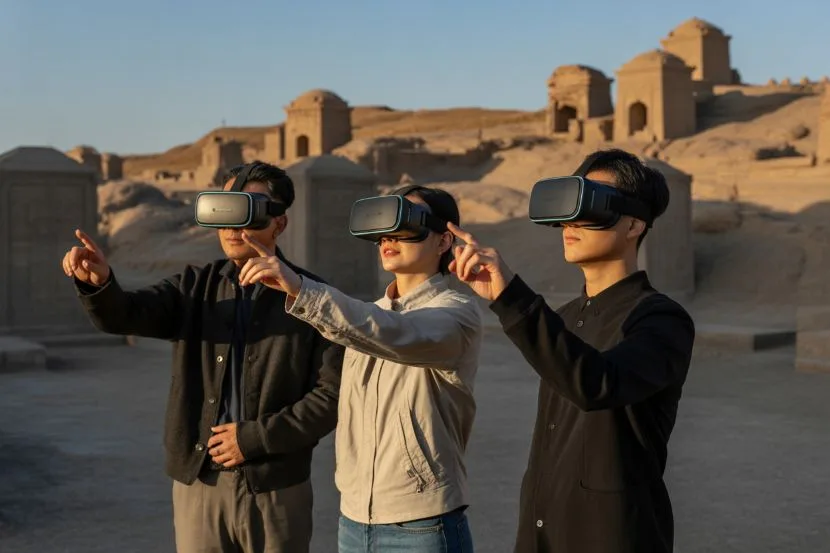
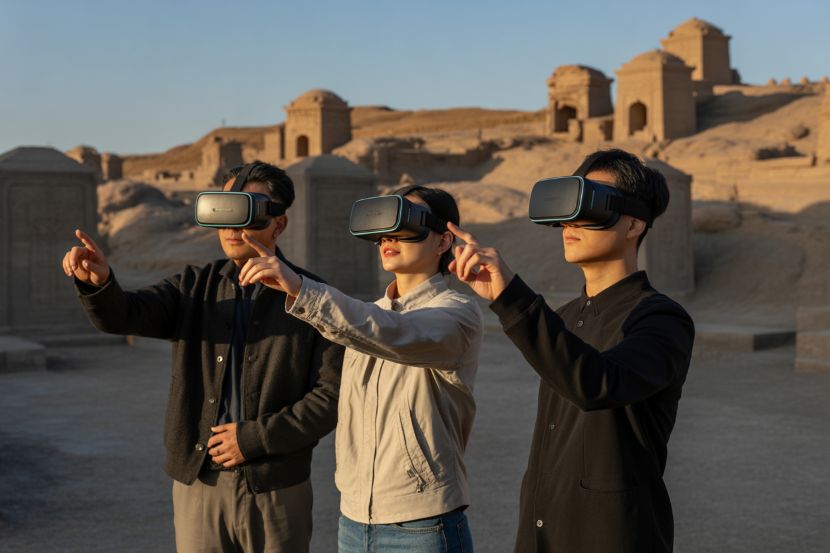
The rapid adoption of digital technology is one of the most significant forces driving change in China’s tourism sector. From smart tourism solutions to AI-driven recommendations, digital tools have enhanced how travelers plan, experience, and engage with destinations. Digitalization of business models is pushing the envelope on virtual reality (VR) and augmented reality (AR) experiences, helping visitors discover cultural narratives in dynamic new ways. This has led to an overall improvement in travel services, making booking trips, exploring attractions, and even accessing historical insights easier and more engaging.
2. Cultural Narratives Going Digital
The modernization of cultural narratives is not only about preserving history but also about making cultural elements more accessible through technology. In places like Yangshuo, where cultural tourism merges with the natural landscape, digital tools have allowed tourists to engage more deeply with the surroundings, such as virtual tours or digitally enhanced scenic views that bring stories of Guilin’s stunning Karst mountains to life in exciting new formats.
Advertisement
Advertisement
3. Emotional Value in Travel Experiences
There is a noticeable shift in consumer demand, as travelers are seeking not just scenic views, but also the emotional value that comes with their travel experiences. They want to engage with local communities, participate in traditional crafts, and explore destinations that offer more than just photo opportunities. This push for authentic experiences is reshaping how destinations market themselves, focusing on unique cultural aspects that resonate emotionally with visitors.
The Rise of Regional Tourism: Discovering Hidden Gems
While iconic destinations like Beijing, Shanghai, and Xi’an continue to draw tourists, smaller regions in China are becoming increasingly popular. The rise of county-level tourism and rural areas is changing the tourism landscape, offering a fresh take on China’s rich cultural tapestry. Regions like Yinchuan, home to the Western Xia Mausoleums, have seen growing interest thanks to UNESCO World Heritage recognition. These less explored areas present new opportunities for travelers who are eager to experience the quieter, more authentic sides of Chinese culture, away from the bustling metropolises.
Advertisement
Advertisement
Understanding the “Performance Economy” and Immersive Travel
The performance economy is another trend making waves in China’s cultural tourism scene. As cultural events, festivals, and performances become significant drivers of destination spending, tourists are increasingly looking to participate in interactive performances rather than just view them from afar. This trend aligns with the growing demand for immersive experiences—whether it’s a live theater production in Xi’an or a traditional tea ceremony in the mountains of Zhejiang—all of which offer travelers the chance to engage deeply with China’s vast cultural heritage.
Travel Advice for the Tech-Savvy Tourist
For tourists heading to China in 2026, embracing technology will enhance their travel experience. Mobile apps, digital ticketing, and AI-guided tours are now part of the standard travel experience. Travelers should consider using digital platforms that provide real-time updates on cultural events, local dining experiences, and hidden gems not listed in typical guidebooks.
Advertisement
Advertisement
For instance, if you’re visiting Yangshuo or Guilin, consider using a digital platform that offers personalized recommendations, helping you navigate through traditional markets or suggesting a scenic boat ride along the Li River at sunset. With AI-powered apps offering customized itineraries, discovering off-the-beaten-path locations is now easier than ever before.
The Role of Immersive Travel and AI Technologies
With technological advancements driving the industry forward, AI empowerment is at the forefront of redefining how travelers interact with destinations. From AI-powered guides to virtual reality experiences, AI technologies are enhancing everything from travel planning to cultural engagement. For example, humanoid robots are already being used at some of China’s cultural attractions, providing information, assistance, and even entertaining visitors with a glimpse into China’s tech-savvy future.
As tourists seek to engage with cultures in more meaningful ways, the digital transformation in China’s tourism sector ensures they will have the tools they need to create unforgettable experiences. The integration of VR and AR into both traditional and contemporary Chinese cultural narratives ensures that travelers will be able to connect with history in a new, dynamic way.
Sustainable Travel: Bridging Culture and Technology
Sustainability has become a key topic in global travel, and in China, the tourism industry is no exception. As digital solutions grow, so does the ability to foster more sustainable travel practices. Platform-driven industrial structures and cross-sector integrations aim to not only improve the customer experience but also promote eco-friendly options, minimizing the environmental impact of tourism.
From reducing carbon footprints to promoting local artisans and heritage crafts, these innovations are aligning with China’s broader environmental and development goals. Travelers looking to support sustainability in their adventures can find new ways to engage with eco-conscious destinations and support local communities while exploring the best China has to offer.
Final Thoughts: A Glimpse into the Future of Cultural and Tourism Travel
As we enter 2026, China’s cultural and tourism sectors are ripe for exploration, with a strong emphasis on technology-driven innovations and deeper, more personalized experiences. Whether it’s discovering the timeless beauty of Beijing, exploring rural heritage in Yinchuan, or engaging with immersive performances, the future of Chinese tourism promises a mix of the old and the new.
For travelers seeking authentic and enriching cultural encounters, these new trends open doors to a more interactive, tech-savvy, and emotionally fulfilling journey through one of the world’s most diverse and captivating countries.