


Published on
February 1, 2026

The Lookout Hill Center in Khayelitsha which has now been closed, was meant to be a premier tourism attraction for visitors across the globe and the local market. The Center was to be an anchor for township tourism, a symbol of cultural and economic exchange in a township. It was built to support The City of Cape Town’s larger tourism strategy.
The tourism potential of Lookout Hill has been lost since 2010, though the center continues to possess significant cultural and geographic assets. To the committee, the deterioration of Lookout Hill represents a wider set of systemic issues affecting township tourism, within which there seems to be a persistent juxtaposition of unfulfilled potential and disconnected market access, unplanned safety, and unplanned integration.
Strategic Location Remains a Strong Tourism Advantage
According to the committee’s assessment, the location of Lookout Hill remains one of its strongest assets. Situated along Spine Road, the centre lies on a key corridor linking Khayelitsha to major access points including the N1, N2, and Cape Town International Airport.
The site also overlooks the historically significant False Bay area, reinforcing its suitability as a stop for guided tours and cultural experiences. Despite these advantages, the committee found that the site is failing to capture tourist traffic flowing into Cape Town, highlighting a disconnect between infrastructure investment and destination activation.
Advertisement
Advertisement
A Once-Promising Centre Now Operating Below Capacity
The Chairperson of the Portfolio Committee, Ms Ronaldo Nalumango, described the Lookout Hill Centre as a white elephant, noting that it no longer delivers value aligned with its original purpose. While the Department of Tourism continues to fund maintenance, including repeated roof repairs, the committee questioned the sustainability of spending public funds on infrastructure that is not generating economic or social returns.
At the time of the visit, the committee observed that the restaurant was closed, there were no active crafters, and only one tour operator was operating on site. Facilities such as craft hives, exhibition spaces, and access to the wooden boardwalk and summit were largely underutilised, reinforcing concerns about missed opportunities.
Advertisement
Advertisement
Call for Reimagination as a Township Economic Hub
The committee resolved to formally invite the City of Cape Town to present its vision for reimagining Lookout Hill as a vibrant economic and tourism hub for Khayelitsha. Members emphasised that the centre could play a critical role in job creation, youth development, and crime prevention by stimulating legitimate economic activity in one of South Africa’s largest townships.
The committee stressed that revitalising Lookout Hill should not focus solely on physical upgrades, but on integrated tourism planning, market access, safety, and partnerships that connect township tourism to mainstream visitor flows.
SMMEs Seek Pathway Into Mainstream Tourism
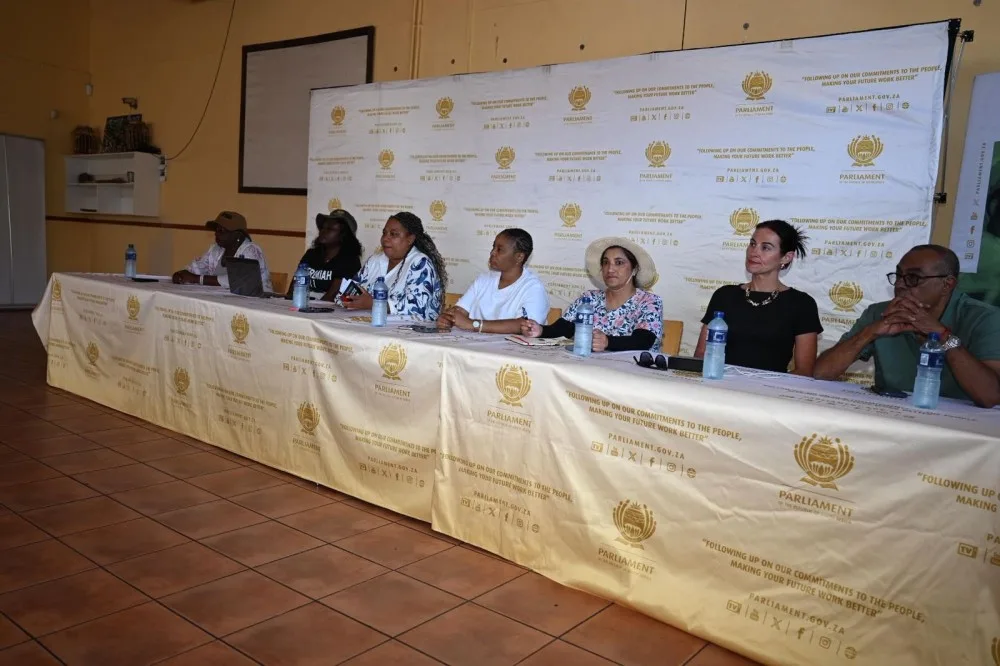
During stakeholder engagements, the committee met with tour operators, tour guides, and local businesses from Khayelitsha and surrounding townships. Small, Medium and Micro Enterprises (SMMEs) were clear in their message: they do not want to remain confined to survival-level operations.
Stakeholders expressed a strong desire to transition into the mainstream tourism economy, serving higher volumes, accessing international markets, and participating in formal tourism value chains. They urged government to provide targeted support, including skills development, market access, and business scaling assistance, to help them move to the next level.
Crime Identified as a Major Barrier to Tourism Growth
A recurring theme raised by stakeholders was the impact of crime and extortion on tourism development in Khayelitsha. Business owners explained that criminal activity discourages visitors, increases operating costs, and undermines investor confidence.
While acknowledging that community involvement is essential in tackling crime, stakeholders called for stronger government intervention, improved coordination between agencies, and sustained support to restore safety and confidence. The committee noted that without addressing crime, tourism investment and visitor growth in township areas will remain constrained.
Cruise Tourism Access Seen as Game-Changer Opportunity
One of the most significant proposals raised during discussions was access to cruise tourism markets. Local tourism operators told the committee that a single day of cruise ship visits could generate more than R1 million per day when liners dock in Cape Town’s harbour.
They requested assistance in building formal links with cruise liners, destination management companies, and tour wholesalers to ensure township attractions such as Lookout Hill are included in shore excursion programmes. Stakeholders stressed that cruise tourism could rapidly transform local livelihoods if access barriers are removed.
Community Commitment to Unlocking Tourism Potential
Despite the challenges, stakeholders assured the committee of their commitment to defending the economic potential of Lookout Hill. Local operators emphasised their readiness to collaborate with government, law enforcement, and private partners to turn the site into a functioning tourism asset that delivers real benefits.
They expressed confidence that with the right support, Lookout Hill could become a gateway to authentic township tourism, showcasing culture, creativity, and entrepreneurship while contributing to safer and more inclusive communities.
Lookout Hill Seen as Test Case for Inclusive Tourism Growth
An opportunity is waiting to be seized at Lookout Hill, and the last oversight visit made that clear. The committee is considering the location for a potential case study for inclusive tourism development at township sites integrated with South Africa’s tourism economy rather than existing at the margins.
Lookout Hill, when optimistically reconstructed, has the potential to support SMME development, positive economic activity, and to demonstrate tourism’s ability to eradicate poverty in the crime-affected and economically depressed areas of tourism. The next steps for the committee — including conversations with the City of Cape Town — will be pivotal in determining if this long-standing symbol of hope for Khayelitsha and the future of tourism in South Africa will be able to realize its long-anticipated potential.
Image Source: Economic Cluster Committees