
Published on
January 28, 2026

Toronto Pearson International Airport (YYZ) has secured the 4th position in the Top 50 Airports in the Americas for 2026, reflecting its commitment to innovation, efficiency, and passenger convenience. As Canada’s busiest airport, YYZ continues to set benchmarks in airport operations, boasting cutting-edge technologies and sustainable practices that cater to the increasing demand for air travel. The airport’s ranking highlights its strategic advancements in both infrastructure and technology, particularly in its role as a global hub for smart aviation.
Why Toronto Pearson (YYZ) Stands Out in the Americas
Toronto Pearson’s recognition as one of the top airports in the Americas for 2026 is a testament to the airport’s robust growth trajectory and strategic investment in technology. As one of the leading hubs for international travel, YYZ is increasingly becoming a model for smart, efficient, and sustainable airport operations. The airport’s growth was driven by a record-breaking year in domestic travel and targeted international expansion, positioning it to handle a growing volume of passengers while maintaining a high standard of service.
The Pearson LIFT revitalization program is a key factor in supporting this growth. The program aims to modernize airport infrastructure to enhance capacity and operational efficiency, with a goal of increasing passenger handling capacity to 65 million by the mid-2030s. The ongoing focus on innovation, passenger experience, and smart technologies has earned YYZ a place among the top 50 airports in the Americas, showcasing its commitment to staying ahead of industry trends.
Advertisement
Advertisement
Key Traffic and Performance Data for 2025-2026:
- Annual Passengers (2024): 46.8 million – Canada’s busiest airport and among the top 30 globally.
- Q3 2025 Total Passengers: 13.1 million, marking a +2.3% increase over Q3 2024.
- Busiest Route (2025): YYZ to Montreal (YUL), with approximately 5,885 annual round trips.
- Projected Maximum Capacity: 65 million passengers by mid-2030s via the Pearson LIFT program.
- Major Carriers: Air Canada (hub), WestJet, and Porter, with Air Canada serving 155+ destinations.
These numbers reflect Toronto Pearson’s ongoing success and importance in the global aviation industry, particularly in connecting major cities and regions across North America, Europe, the Middle East, and Asia.
Advertisement
Advertisement
Smart Airport Advancements: Toronto Pearson Leads the Way

One of the most impressive aspects of Toronto Pearson’s rise to the top 5 airports in the Americas is its commitment to integrating advanced technology into airport operations. As a “testing lab” for AI in aviation, YYZ has launched several pilot programs that automate and streamline the passenger journey. These programs aim to reduce wait times, enhance security measures, and make the airport experience smoother for travelers.
Advertisement
Advertisement
Notable technological advancements at Toronto Pearson include:
- AI-Powered “Co-Pilot” at APOC: The Airport Operations Center (APOC) uses AI to manage gate swaps and ground turnarounds in real-time. This technology helps optimize operational efficiency, reducing delays and increasing the number of passengers processed.
- Biometric E-Gates: In partnership with the Canada Border Services Agency (CBSA), YYZ has deployed biometric e-gates that allow passengers to use their faces as boarding passes, significantly reducing friction at customs and security.
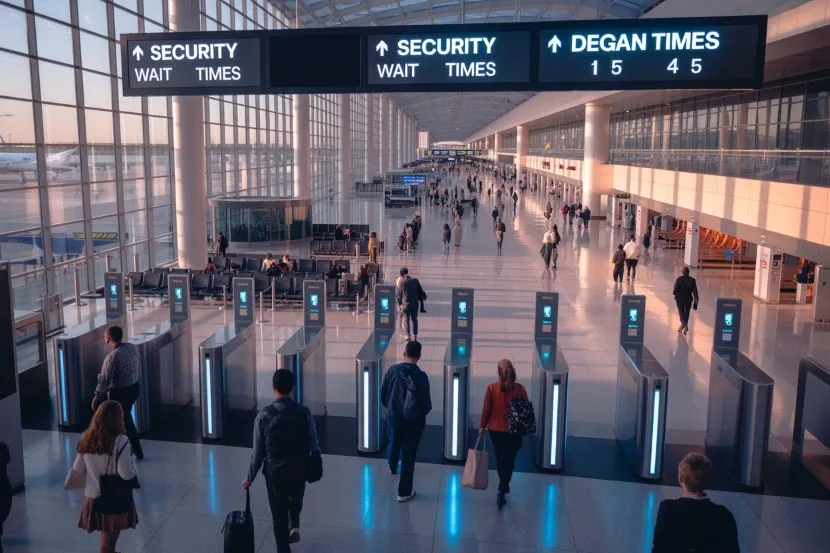
- Zensors PAX AI: A matrix of AI cameras installed across the airport that predict wait times at checkpoints. Passengers can view these real-time estimates on monitors throughout the airport or on the YYZ website, helping to reduce anxiety and improve overall passenger flow.
- The Goods Express: An autonomous Amazon “Just Walk Out” store that allows travelers to pick up essentials and leave without waiting in line, offering a new, more convenient shopping experience.
These advancements represent a major leap in enhancing passenger convenience while optimizing airport operations. As passenger numbers continue to grow, the integration of AI and automation will play a vital role in ensuring that airports like YYZ can meet future demands without the need for extensive physical expansion.
Enhancing Passenger Experience: Technology Meets Comfort

Toronto Pearson’s focus on the passenger experience is evident in its many offerings designed to make travel smoother and more enjoyable. The airport is integrating tech solutions with high-quality amenities, such as comfortable seating areas, improved retail options, and expanded dining experiences. In addition to the practical aspects, YYZ is committed to creating a welcoming environment for travelers from around the world.
Key elements of the passenger experience at Toronto Pearson include:
- Faster Security Processing: With the adoption of biometric e-gates and AI-driven systems, passengers can expect faster and more efficient security and customs checks.
- More Relaxed Waiting Areas: The LIFT program includes upgrades to lounges, food courts, and waiting areas, ensuring passengers have access to everything they need while waiting for their flights.
- Direct Connection to the City: The UP Express provides the fastest way to get from Pearson to downtown Toronto in just 25 minutes, making it easy for travelers to explore the city.
Tips for Travelers Using Toronto Pearson in 2026:
- Use Biometric Technology: Skip the queues at customs and security by using the biometric e-gates.
- Stay Updated on Wait Times: Use the Zensors PAX AI system to check real-time wait times at checkpoints and plan your arrival accordingly.
- Explore Downtown Toronto: Use the UP Express to head into downtown Toronto for a quick city escape.
- Check for Airport Innovations: Stay informed about new technology and amenities that can make your airport experience smoother.
- Arrive Early: While new technologies speed up processing, it’s always a good idea to arrive early, especially during peak hours.
Key Takeaways for Travelers and Businesses:
- Technological Leadership: Toronto Pearson is leading the way in adopting innovative technologies like biometric e-gates, AI-powered systems, and autonomous retail stores to improve efficiency and passenger experience.
- Passenger Growth and Airport Expansion: With passenger numbers steadily increasing, Toronto Pearson is leveraging the Pearson LIFT program to expand its capacity without physical airport expansion.
- Sustainability: The integration of sustainable practices and eco-friendly technologies ensures that Toronto Pearson remains aligned with global environmental goals.
- Global Accessibility: The airport’s continuous investment in infrastructure, technology, and service improvements makes it a key hub for travelers across the globe.
Top 50 Airports in the Americas for 2026
| No. | Airport Name | Country | State | City |
|---|---|---|---|---|
| 1 | San Francisco International (SFO) | USA | California | San Francisco |
| 2 | Hartsfield–Jackson Atlanta International (ATL) | USA | Georgia | Atlanta |
| 3 | Vancouver International (YVR) | Canada | British Columbia | Vancouver |
| 4 | Toronto Pearson International (YYZ) | Canada | Ontario | Toronto |
| 5 | Los Angeles International (LAX) | USA | California | Los Angeles |
| 6 | Orlando International (MCO) | USA | Florida | Orlando |
| 7 | Dallas/Fort Worth International (DFW) | USA | Texas | Dallas |
| 8 | John F. Kennedy International (JFK) | USA | New York | New York |
| 9 | Miami International (MIA) | USA | Florida | Miami |
| 10 | Denver International (DEN) | USA | Colorado | Denver |
| 11 | Seattle–Tacoma International (SEA) | USA | Washington | Seattle |
| 12 | Chicago O’Hare International (ORD) | USA | Illinois | Chicago |
| 13 | San José Mineta International (SJC) | USA | California | San José |
| 14 | Ronald Reagan Washington National (DCA) | USA | District of Columbia | Washington |
| 15 | George Bush Intercontinental, Houston (IAH) | USA | Texas | Houston |
| 16 | El Dorado International (BOG) | Colombia | Bogotá | Bogotá |
| 17 | Mexico City International (MEX) | Mexico | Mexico City | Mexico City |
| 18 | Montréal–Trudeau International (YUL) | Canada | Quebec | Montréal |
| 19 | São Paulo–Guarulhos International (GRU) | Brazil | São Paulo | São Paulo |
| 20 | Comodoro Arturo Merino Benítez International (SCL) | Chile | Santiago | Santiago |
| 21 | Jorge Chávez International (LIM) | Peru | Callao | Lima |
| 22 | Cancún International (CUN) | Mexico | Quintana Roo | Cancún |
| 23 | Mariscal Sucre International (UIO) | Ecuador | Pichincha | Quito |
| 24 | Ministro Pistarini / Ezeiza International (EZE) | Argentina | Buenos Aires | Buenos Aires |
| 25 | Santos Dumont Airport (SDU) | Brazil | Rio de Janeiro | Rio de Janeiro |
| 26 | José María Córdova International (MDE) | Colombia | Antioquia | Medellín |
| 27 | Aeroparque Jorge Newbery (AEP) | Argentina | Buenos Aires | Buenos Aires |
| 28 | Tancredo Neves International (CNF) | Brazil | Minas Gerais | Belo Horizonte |
| 29 | Daniel Oduber Quirós International (LIR) | Costa Rica | Guanacaste | Liberia |
| 30 | Viracopos International (VCP) | Brazil | São Paulo | Campinas |
| 31 | Alfonso Bonilla Aragón International (CLO) | Colombia | Valle del Cauca | Cali |
| 32 | Pinto Martins International (FOR) | Brazil | Ceará | Fortaleza |
| 33 | Juan Santamaría International (SJO) | Costa Rica | Alajuela | San José |
| 34 | Salgado Filho International (POA) | Brazil | Rio Grande do Sul | Porto Alegre |
| 35 | Rafael Núñez International (CTG) | Colombia | Atlántico | Cartagena |
| 36 | Presidente Juscelino Kubitschek International (BSB) | Brazil | Federal District | Brasília |
| 37 | Simón Bolívar International (SMR) | Colombia | Magdalena | Santa Marta |
| 38 | Recife/Guararapes–Gilberto Freyre International (REC) | Brazil | Pernambuco | Recife |
| 39 | Ernesto Cortissoz International (BAQ) | Colombia | Atlántico | Barranquilla |
| 40 | Afonso Pena Airport (CWB) | Brazil | Paraná | Curitiba |
| 41 | José Joaquín de Olmedo International (GYE) | Ecuador | Guayas | Guayaquil |
| 42 | Eduardo Gomes International (MAO) | Brazil | Amazonas | Manaus |
| 43 | Mariscal Lamar Airport (CUE) | Ecuador | Azuay | Cuenca |
| 44 | Limón Airport (LIO) | Costa Rica | Limón | Limón |
| 45 | Viru Viru International (VVI) | Bolivia | Santa Cruz | Santa Cruz de la Sierra |
| 46 | Jorge Wilstermann International (CBB) | Bolivia | Cochabamba | Cochabamba |
| 47 | Juan Santamaría International Airport (SJO) | Costa Rica | Alajuela | San José |
| 48 | Luis Muñoz Marín International (SJU) | Puerto Rico | San Juan | San Juan |
| 49 | Mercedita International (PSE) | Puerto Rico | Ponce | Ponce |
| 50 | Princess Juliana International (SXM) | Sint Maarten | Sint Maarten | Philipsburg |
Source: travelandtourworld.com
Conclusion: A Leading Example for Future Airports
As per Travel and Tour World, Toronto Pearson International Airport has proven that technological innovation and passenger-centric strategies are essential for handling the growing demands of modern air travel. As the airport continues to invest in its infrastructure and operations, it will remain a global leader, setting benchmarks for efficiency, passenger satisfaction, and sustainable practices. With a future-focused approach, Toronto Pearson is paving the way for the next generation of airport experiences, ensuring travelers enjoy smoother, more efficient journeys in 2026 and beyond.
Disclaimer: The Attached Image in This Article is AI Generated