
Published on
November 14, 2025

Phoenix, Arizona, Attracts Tourists With Culture and Sound
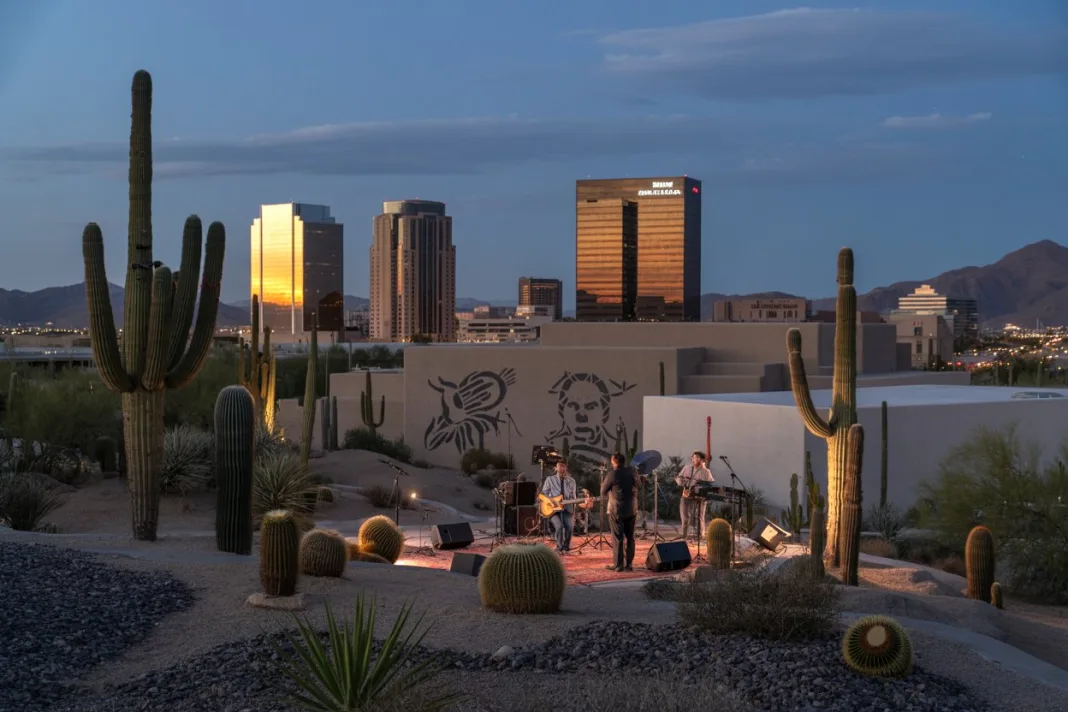
Phoenix, Arizona, is steadily redefining its tourism appeal by emphasising a combined draw of cultural heritage and musical identity. The city stands not just as a desert metropolis but as a destination where indigenous roots, artistic institutions, and contemporary music scenes interweave to offer visitors a richer experience. Traditional tourism marketers of Phoenix are increasingly highlighting music, heritage museums, and cultural venues as part of the travel narrative. This strategic shift has measurable consequences for the region’s economy, visitor patterns, and regional development.
Official figures show that the greater Phoenix area welcomed over forty‑six million visitors in the year two thousand twenty‑three, with direct spending exceeding twelve point nine billion US dollars. That visitor activity supported an estimated one hundred forty‑one thousand jobs and generated substantial tax revenue. These numbers reflect how cultural and music tourism contribute meaningfully to Phoenix’s broader tourism ecosystem.
The Tourism Angle: What Makes Phoenix Music and Culture‑Led Travel Work
1. Merging heritage and modernity
Phoenix’s narrative is layered. The city’s origins trace back to ancient canal‑building societies, then to nineteenth‑century settlement, and later to a modern urban centre. Its cultural infrastructure reflects this layering: major museums, art collections, Native American heritage sites and musical venues all feature prominently. Tourists seeking more than sun and golf now find in Phoenix a compelling proposition of sound, story and place.
2. Music‑led identity as a travel motivator
The city’s musical identity—ranging from indigenous rhythms to modern performance venues—adds depth to its tourism appeal. Visitors come not only for landscapes and architecture but for the experience of place through music. Cultural heritage tourists tend to engage more deeply, stay longer and spend more on those special interest travel segments. Studies by the state’s tourism authority show that “cultural heritage visitors” contribute significantly in terms of spend and satisfaction.
3. Destination diversification and year‑round appeal
Music and culture help Phoenix move beyond seasonal tourism patterns. While desert and golf tourism have historic strength in the region, cultural‑music tourism allows attractions to thrive across the calendar. From museum exhibitions to live concerts, local festivals and indigenous heritage programmes, the city offers layered experiences that work for both domestic and international travellers.
4. Global outreach and differentiated travel option
For travellers from Europe, Asia, and Latin America, the appeal of Phoenix lies partly in its uniqueness—a major US city in a desert setting that also offers rich musical and cultural stories. By positioning itself as a heritage + music destination, Phoenix stands out among sun‑belt alternatives and adds value for travellers seeking novelty over familiar resort offerings.
5. Economic impact and community benefits
Cultural and music tourism in Phoenix does more than fill hotel rooms. It drives spending in performing‑arts venues, retail, dinin,g and cultural shops. It supports employment in the creative sector and stimulates infrastructure investment. For local communities, especially indigenous and minority cultural groups, this form of tourism offers opportunities to showcase heritage and gain economic participation.
Tourism Impact: What Phoenix’s Cultural‑Music Strategy Delivers
Growing visitor numbers and spending
With over forty‑six million visitors in two thousand twenty‑three and direct visitor expenditure pegged at more than twelve point nine billion US dollars, Phoenix’s tourism engine is large. When indirect and induced impacts are factored in, the total economic footprint rises significantly—approaching twenty‑three billion US dollars in the metro area. These figures illustrate the tangible economic weight of tourism, of which culture and music are an increasingly prominent component.
Employment and tax revenue
Tourism activity in Phoenix supports upwards of one hundred forty‑one thousand jobs across hospitality, entertainment, retail, and services. Tax revenues from visitor spending contribute to local and state budgets, enabling reinvestment in cultural facilities, public museums, and performance venues. By embedding music and culture within its tourism offer, Phoenix strengthens the foundation for long‑term jobs and revenue.
Destination brand elevation
By emphasising its cultural and musical identity, Phoenix enhances its brand beyond a standard city break. That brand elevation attracts longer‑stay travellers, higher‑value segments, and international visitors. The combination of heritage museums, art collections, indigenous cultural site,s and live music venues gives Phoenix a distinctive edge in a competitive US tourism market.
Community and heritage benefits
Cultural‑music tourism creates platforms for local artists, indigenous communities, and heritage‑site stewards to engage with travellers. Museums and cultural institutions draw visitors who learn about Arizona’s history and native peoples, rather than simply passing through. That engagement fosters deeper connections, raises awareness, and helps ensure tourism benefits are not exclusively commercial but also cultural.
Infrastructure and investment ripple effects
The growth of culture and music tourism prompts investment in venues, museums, theatres, and performance spaces. Expansion of event infrastructure, audience amenities, visitor services, and urban revitalisation often correlates with cultural‑tourism growth. These infrastructure improvements also benefit residents and enhance the city’s liveability and visitor appeal.
Challenges and Strategic Considerations
While Phoenix’s shift toward culture and music‑led tourism offers many advantages, several critical considerations remain:
- Maintaining authenticity: As tourism scales, ensuring that cultural and musical experiences remain genuine and not overly commercialised is vital. Heritage and indigenous voices must remain central rather than sidelined.
- Equitable benefit distribution: Growth in cultural tourism must spread benefits across communities, including minority and indigenous groups, to avoid concentration in only a few institutions or neighbourhoods.
- Sustainable tourism growth: Balancing economic gain with environmental, cultural, and social sustainability is essential. As visitor numbers increase, the maintenance of cultural sites, venue capacity, and visitor services becomes more challenging.
- Diversifying source markets: While domestic travel is strong, increasing international reach—especially among European and Asian visitors—requires targeted marketing, cultural sensitivity, and effective storytelling.
- Measuring cultural‑tourism impact: Beyond headline visitor numbers, tracking metrics such as visitor satisfaction, repeat visitation, cultural engagement, and community impact is key to sustaining momentum.
Strategic Insights for Stakeholders
For tourism planners, culture managers and destination marketers in Phoenix:
- Package culture and music: Create visitor itineraries that combine museum visits, heritage sites, live performances and cultural walking tours to deepen experience and extend stays.
- Promote to international audiences: Highlight Phoenix’s uniqueness as a desert metropolis with deep musical roots and cultural heritage to attract travellers from Europe, Latin America, and Asia.
- Leverage community strengths: Collaborate with indigenous communities, local artists, and cultural institutions to embed authenticity into the tourism product and ensure local participation.
- Use digital storytelling: Amplify Phoenix’s music and culture stories via social media, video content, and influencer outreach to reach niche culture‑tourism markets.
- Monitor and manage growth: Invest in measurement tools and visitor‑management frameworks to ensure cultural‑tourism growth remains sustainable, inclusive, and high quality.
- Link culture to broader tourism ecosystem: Integrating music and heritage attractions with dining, lodging, retail and outdoor adventure helps build full‑trip appeal and higher yield per visitor.
Looking Ahead: Phoenix’s Role in the Music‑Culture Travel Space
In human terms: for a traveller seeking more than the usual sun‑and‑sand or city‑scape holiday, Phoenix offers a layered journey—ancient indigenous heritage, desert vistas, art museums, and vibrant music venues. The sound of a place becomes as important as the sight of a place. As Phoenix continues to elevate its cultural‑music tourism offer, it stands to deepen visitor engagement, raise tourist spend, and build a resilient tourism economy grounded in story and identity.
For the city and state, this cultural pivot may well become a blueprint for a more sustainable and inclusive tourism future—one where music, heritage, and place combine to create travel experiences not just of escape but also of meaning.